What Are You Looking For?
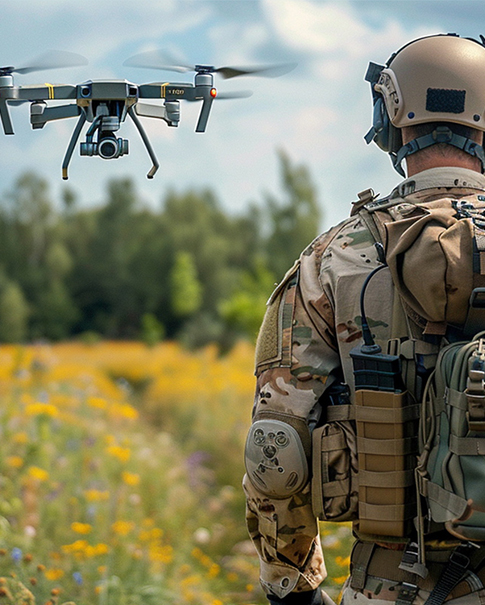
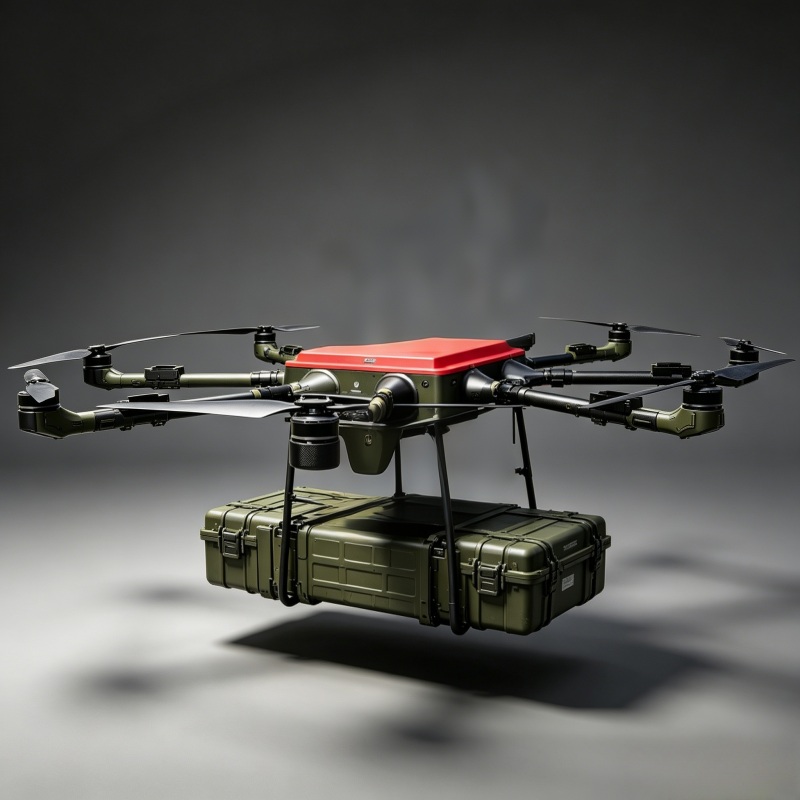
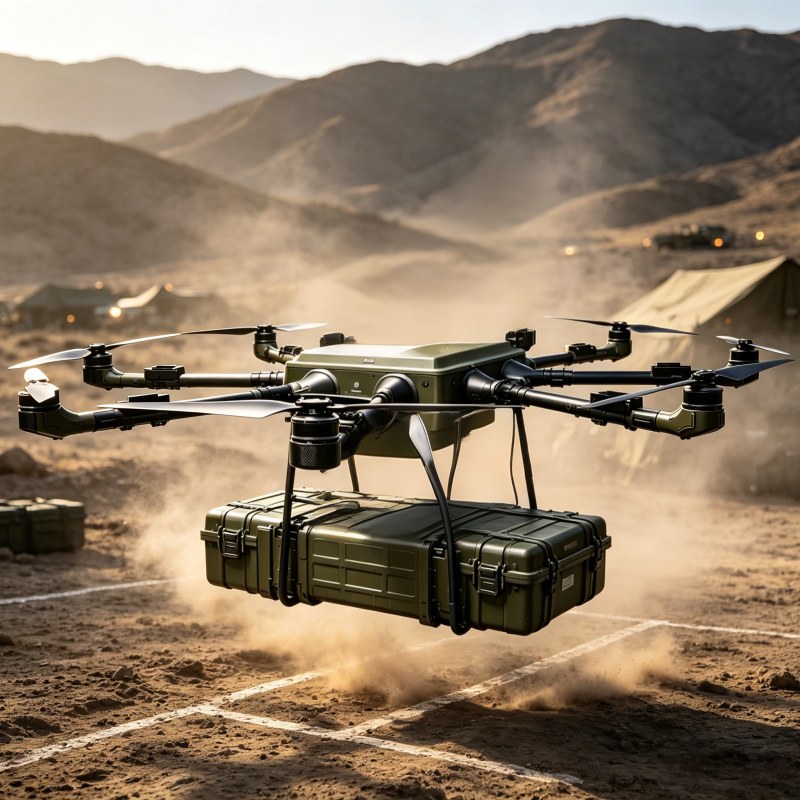
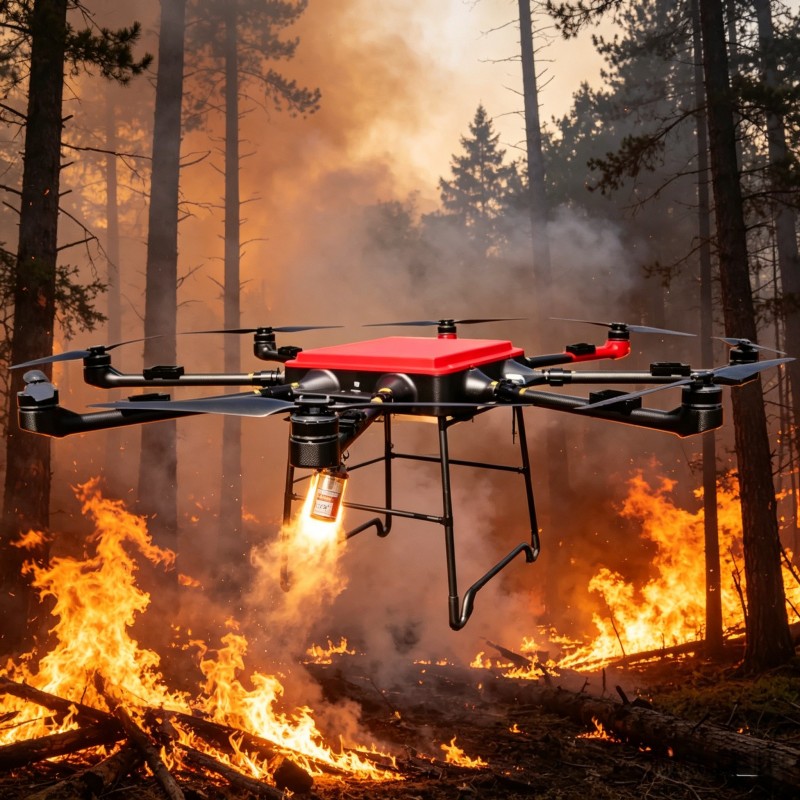
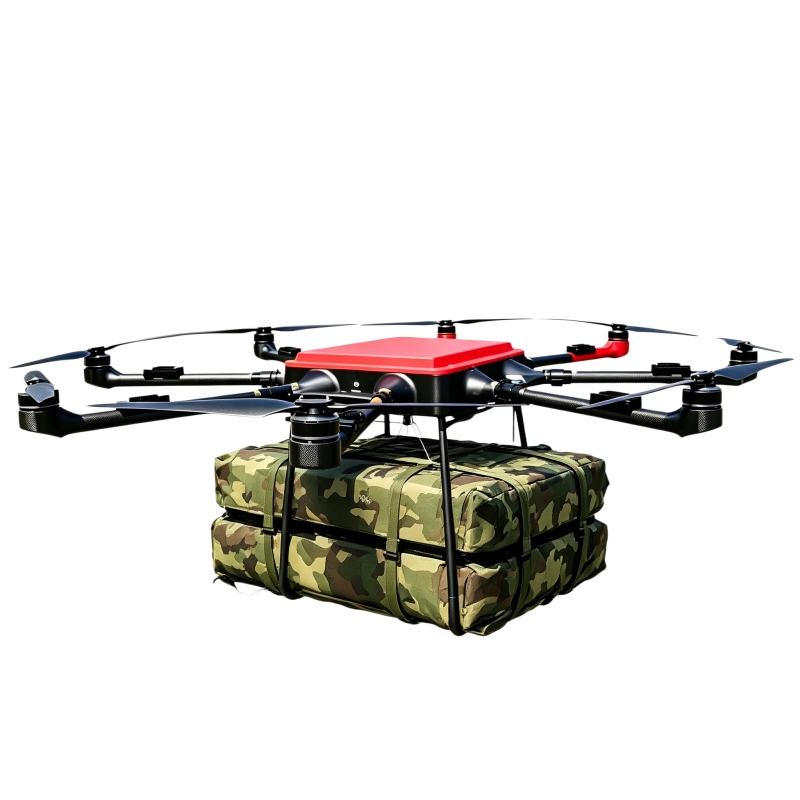
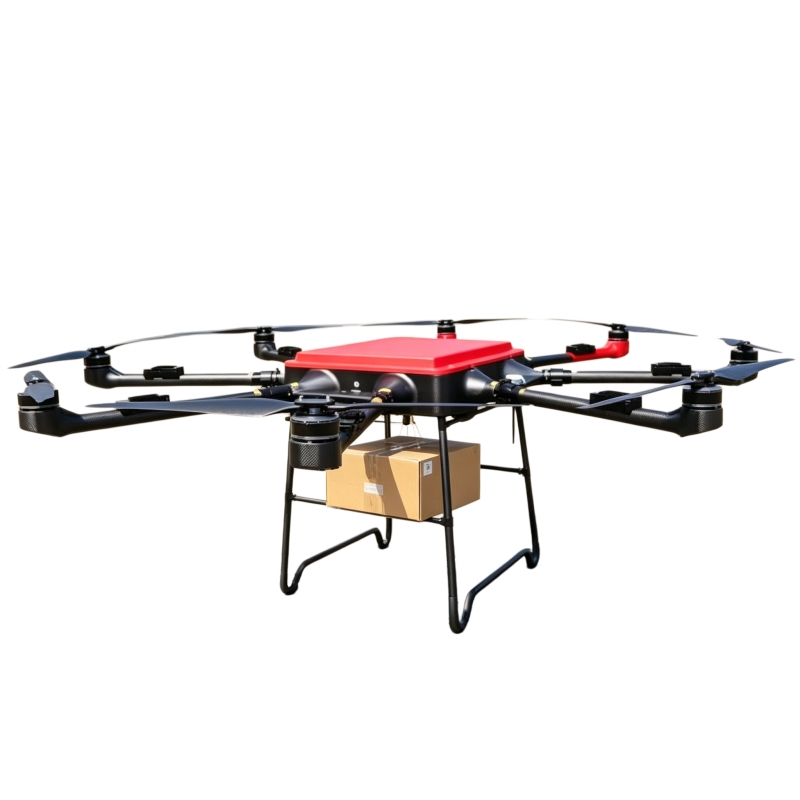
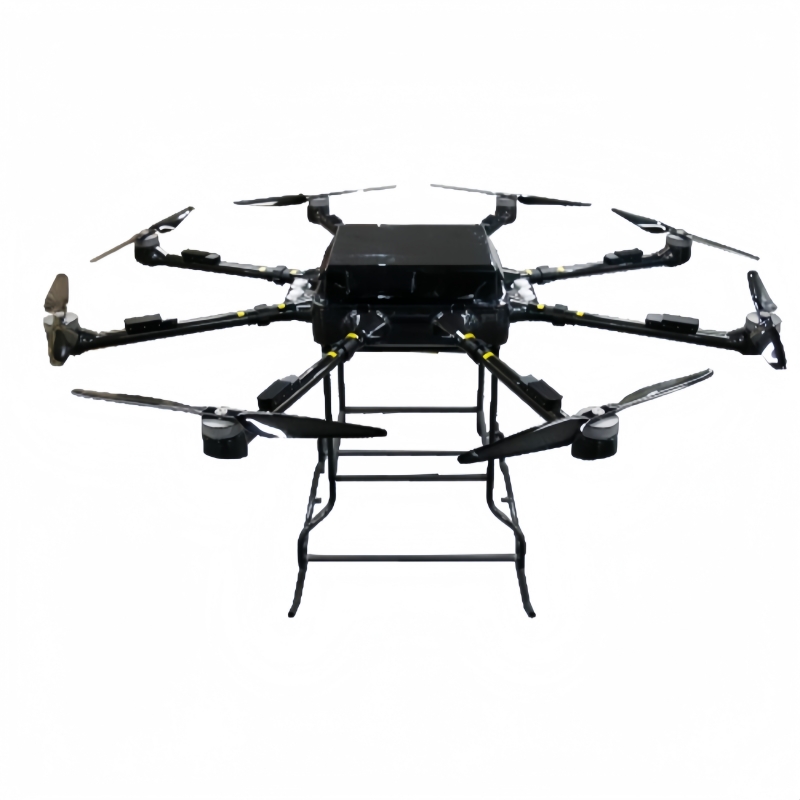
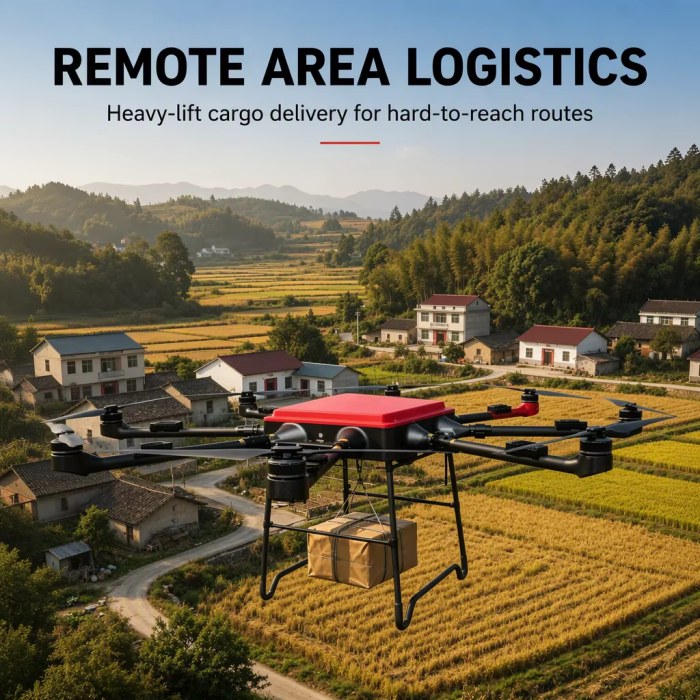
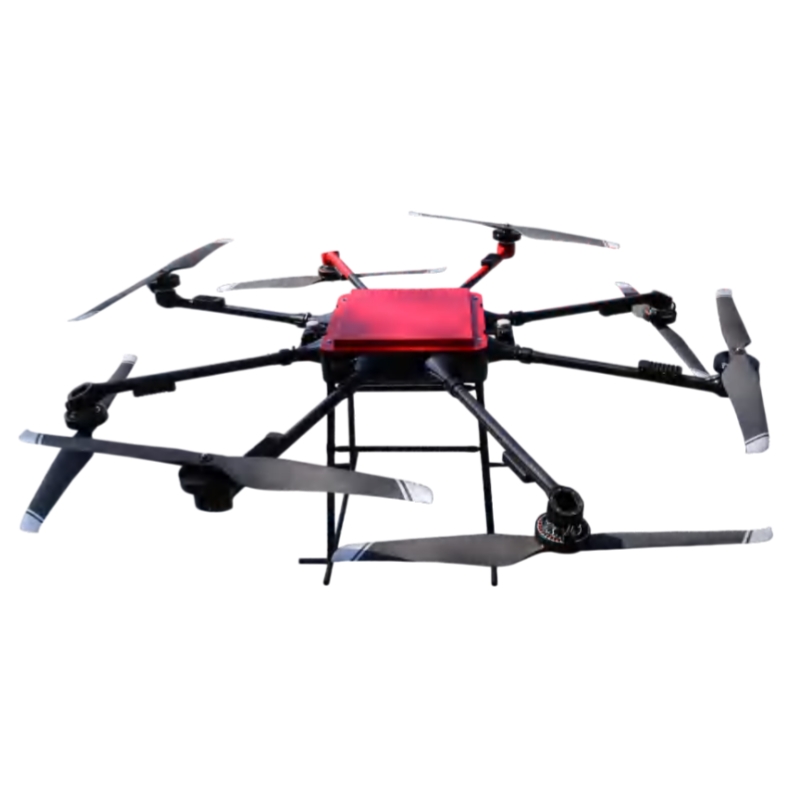
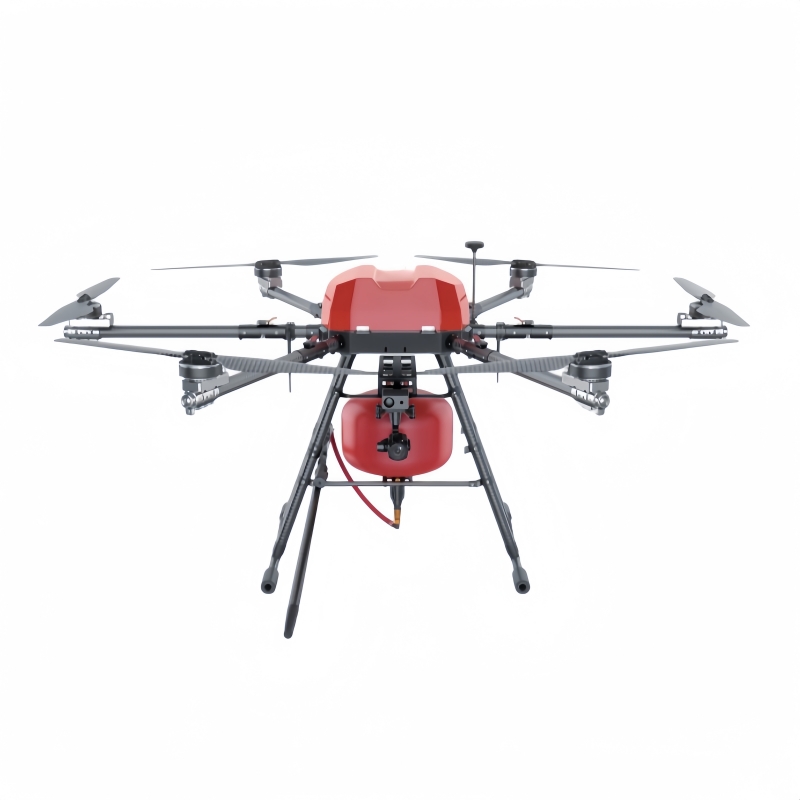
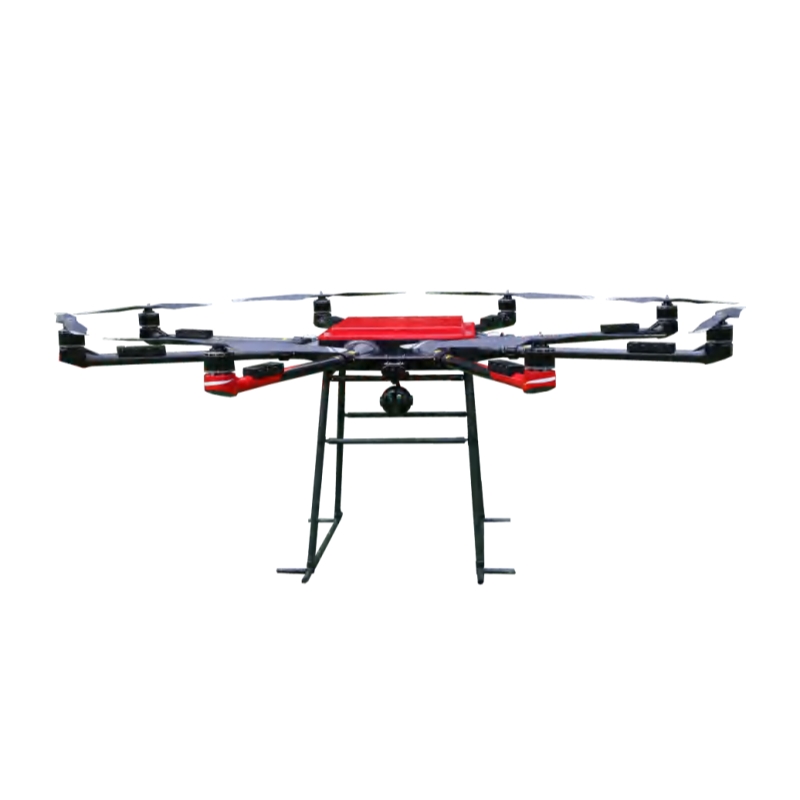
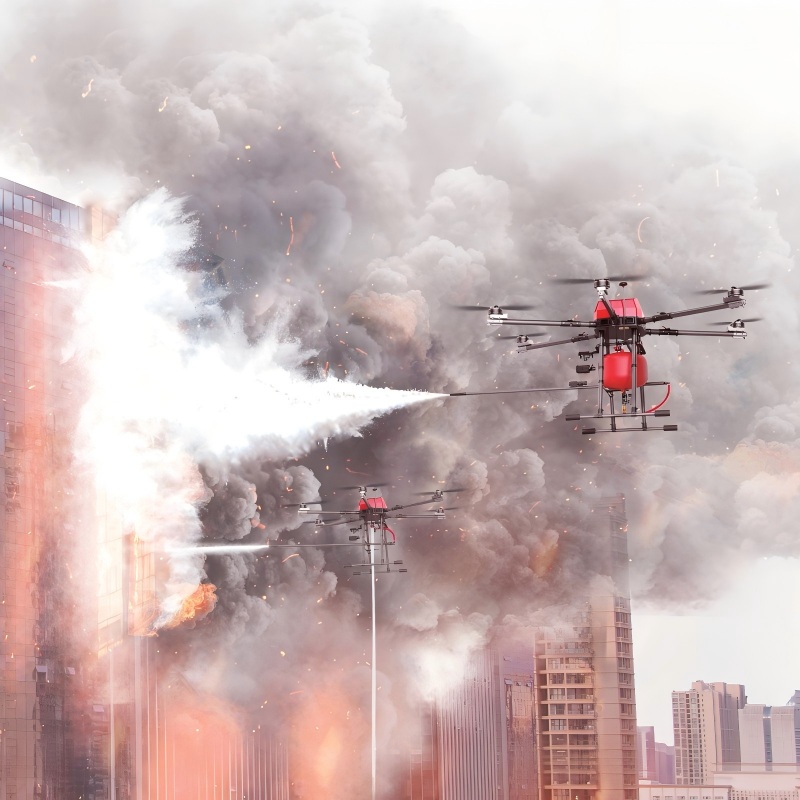
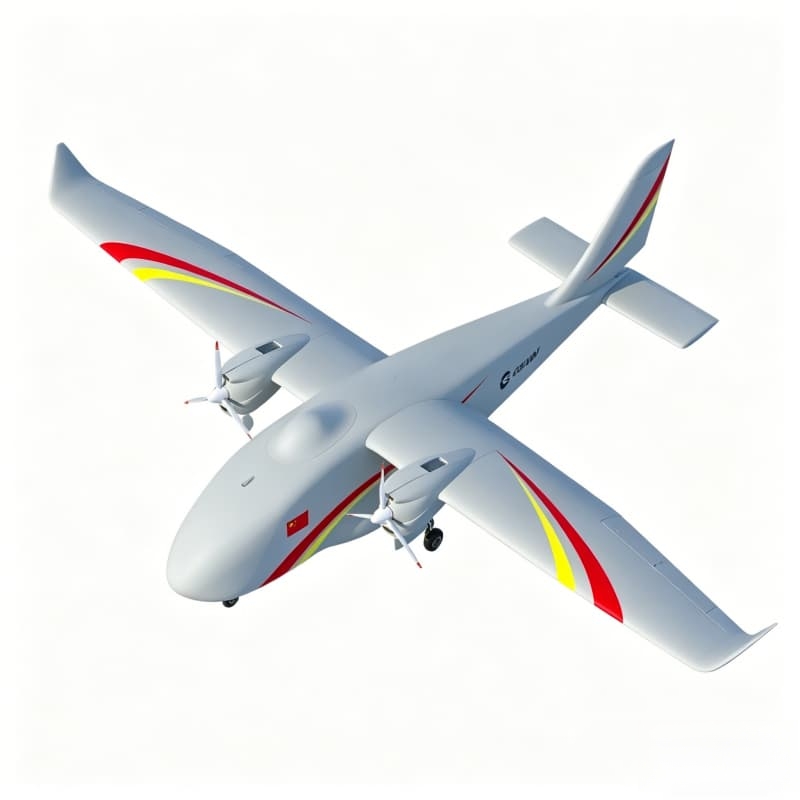
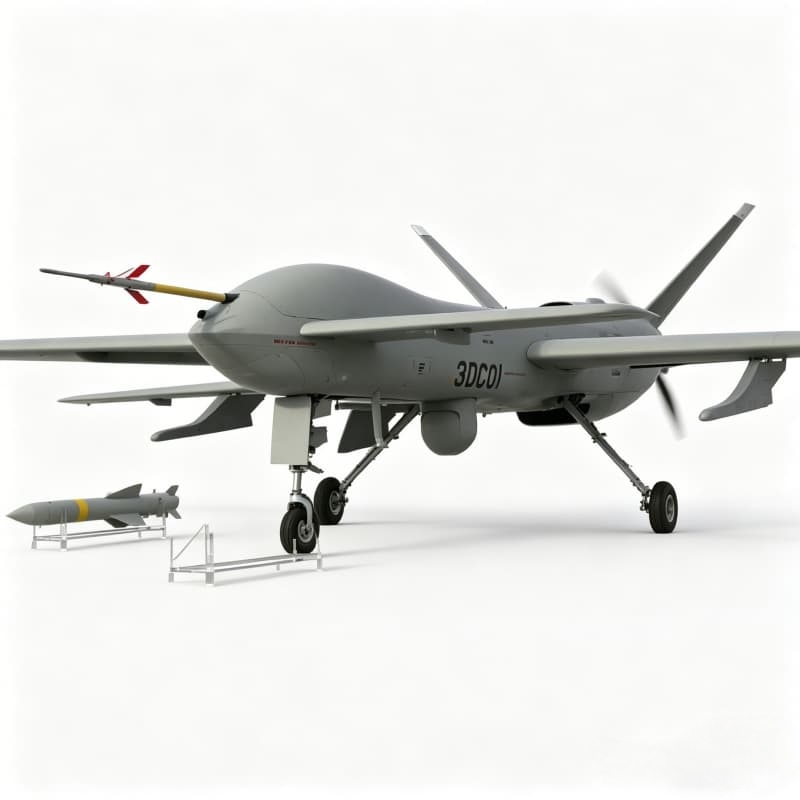
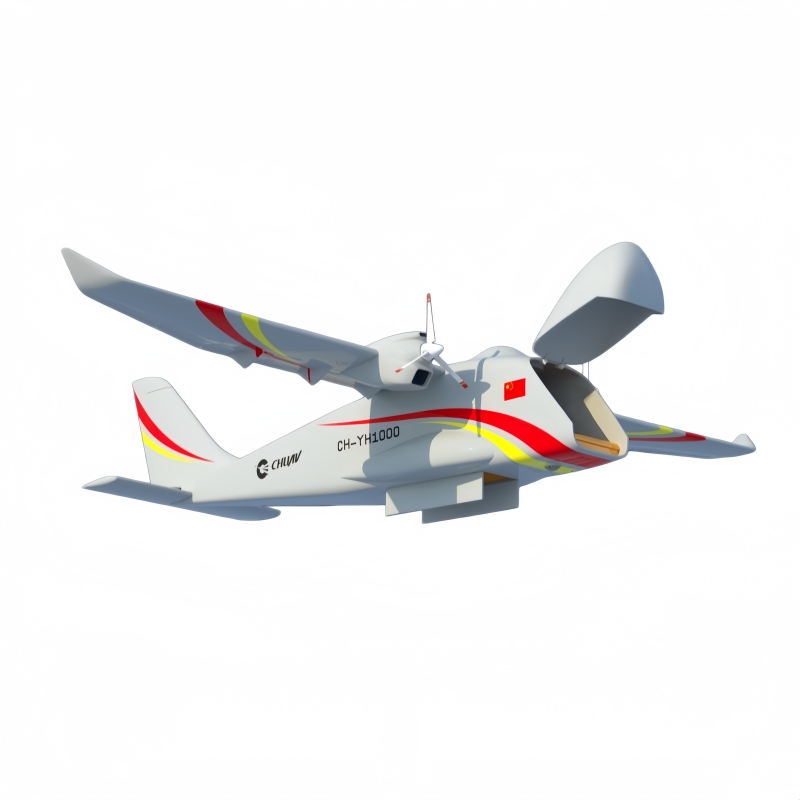
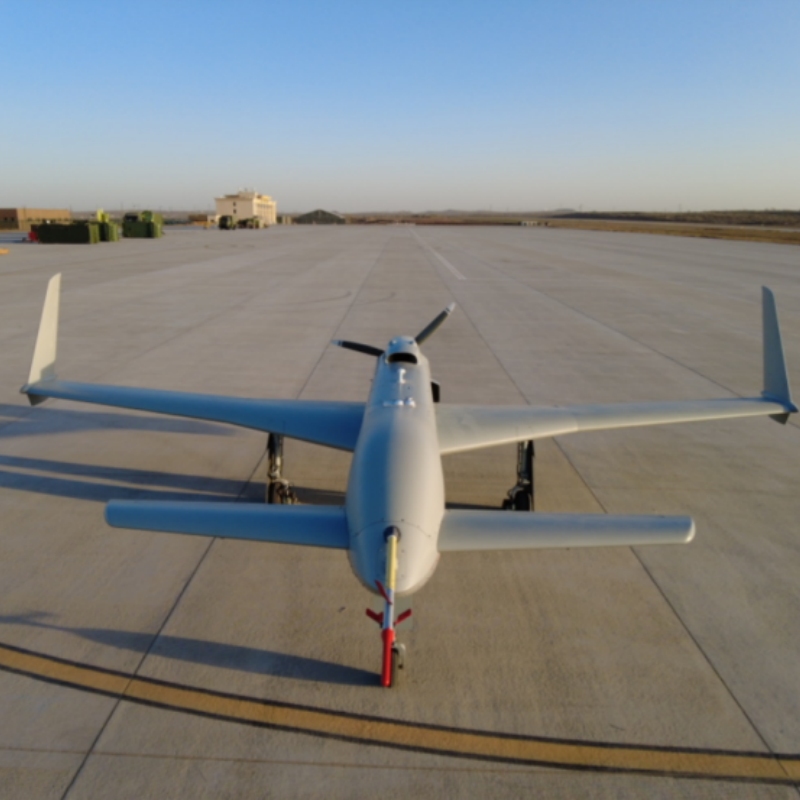
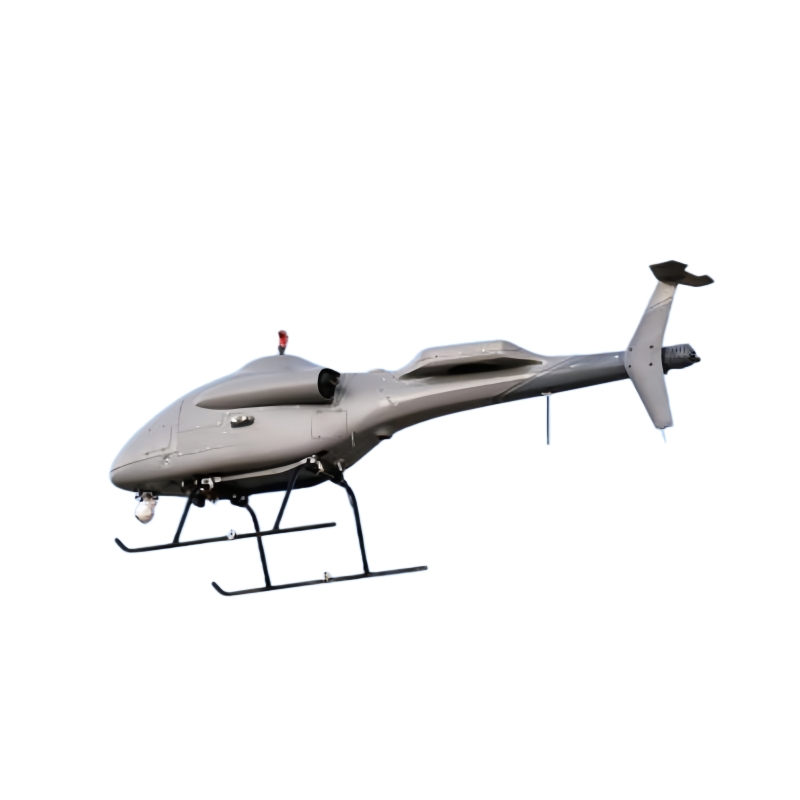
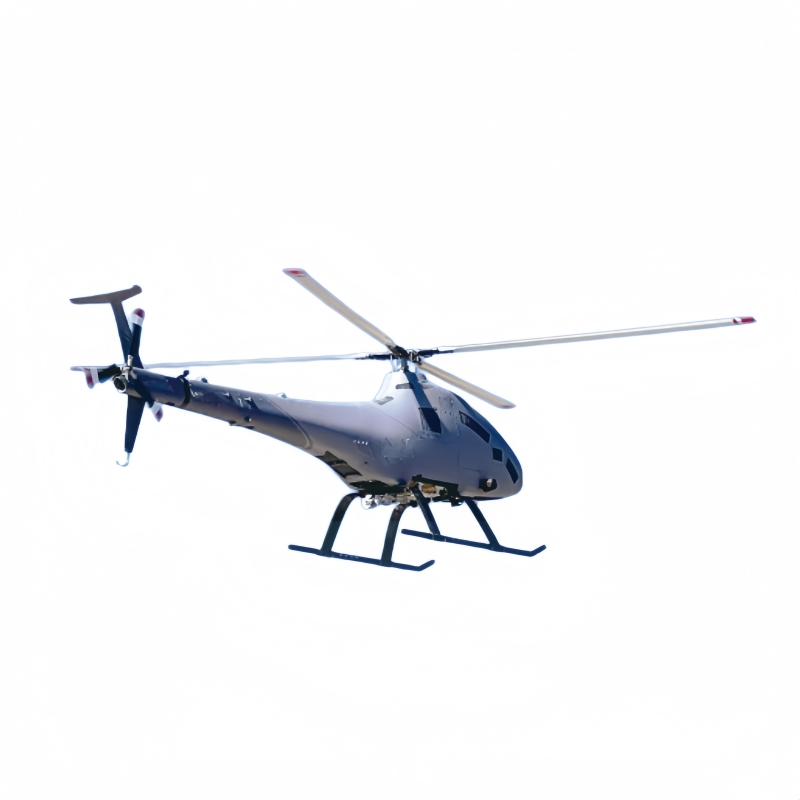
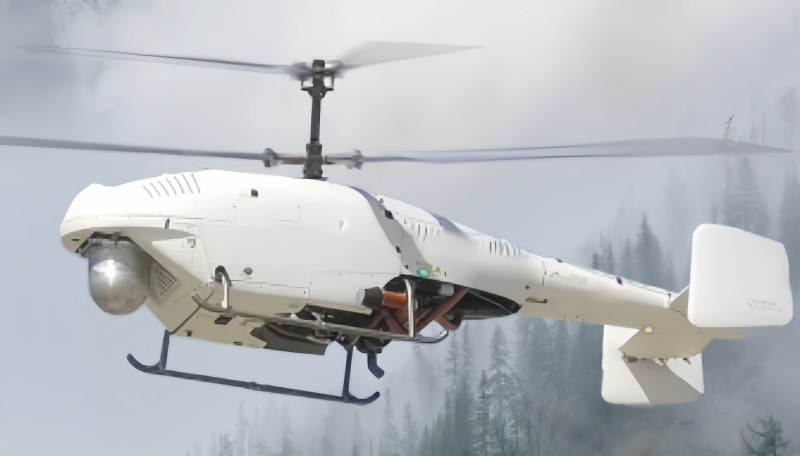
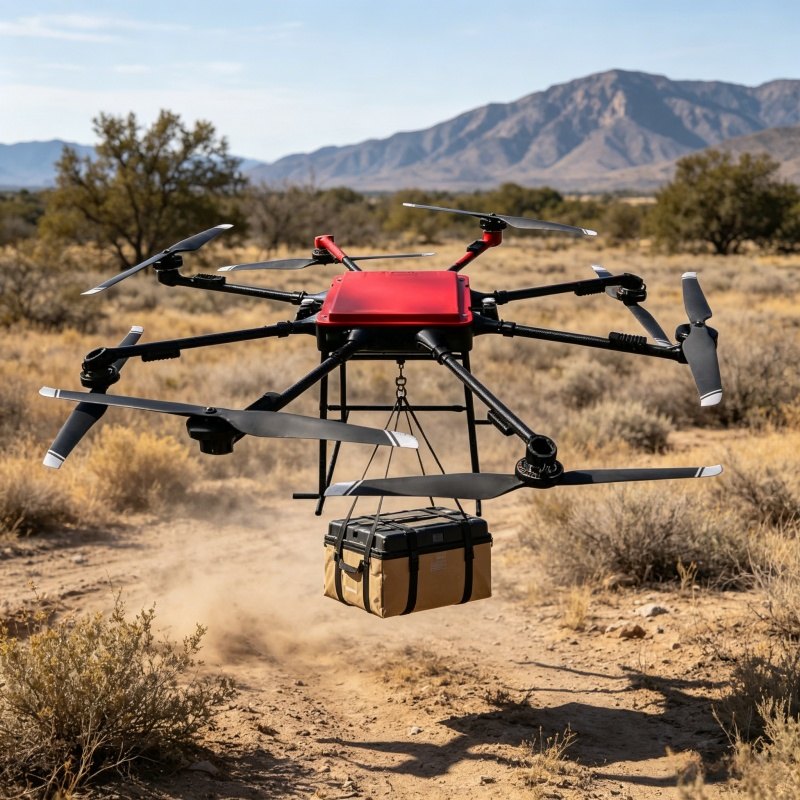
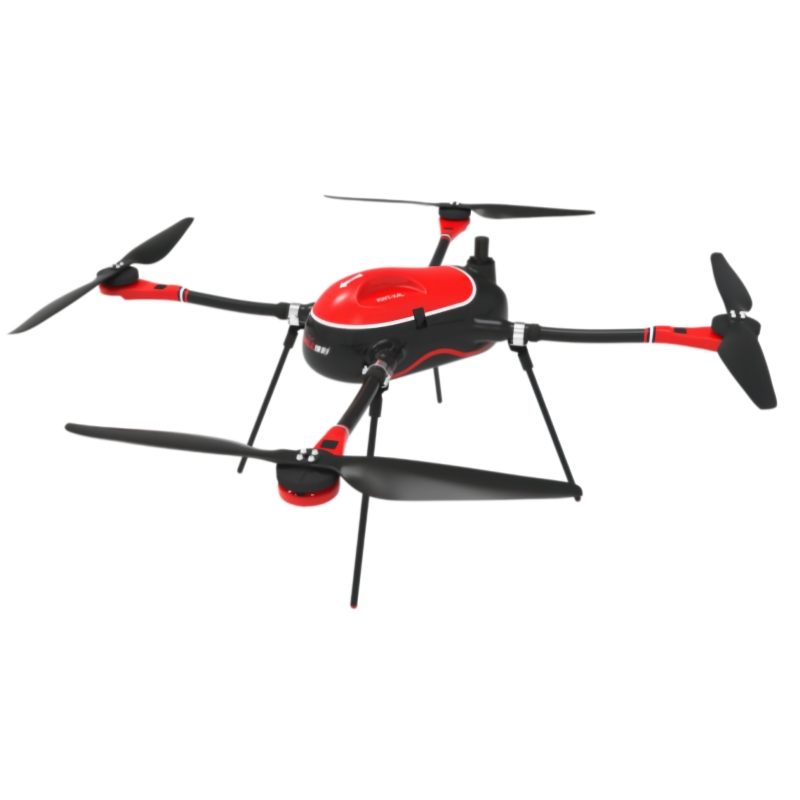
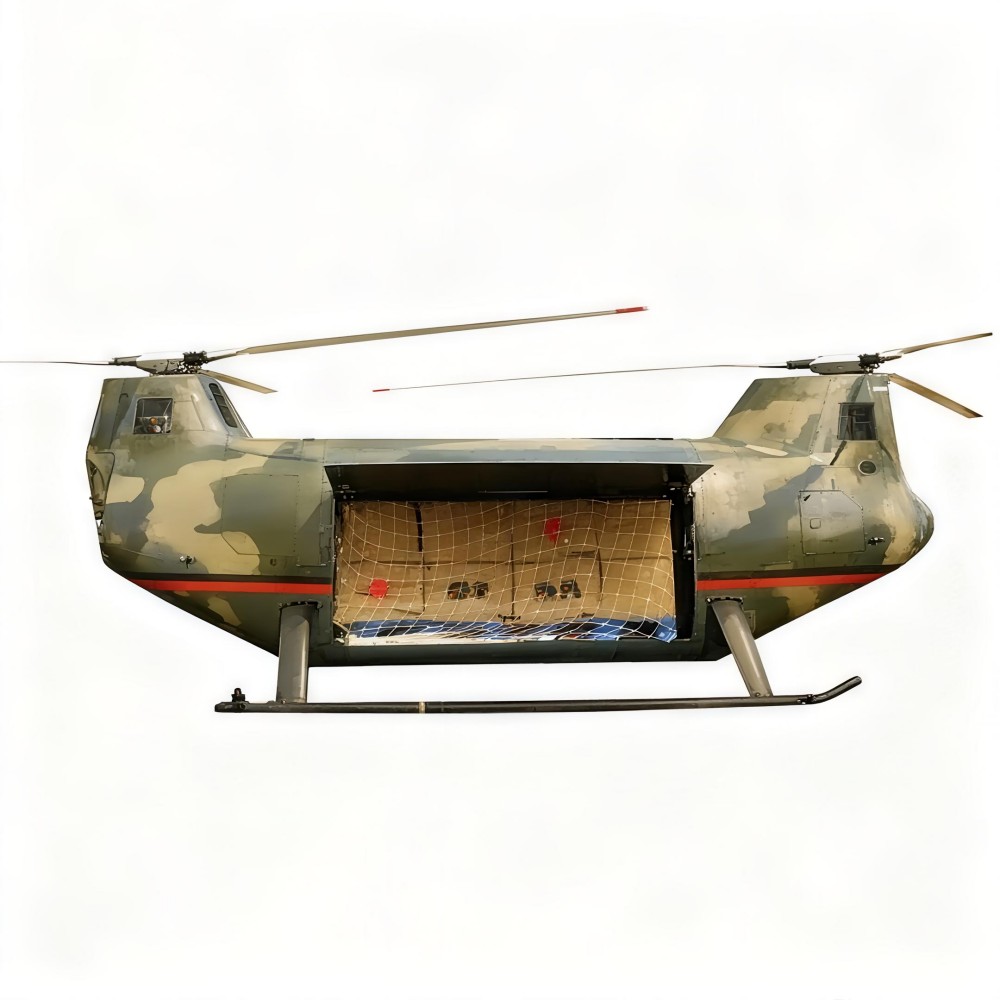
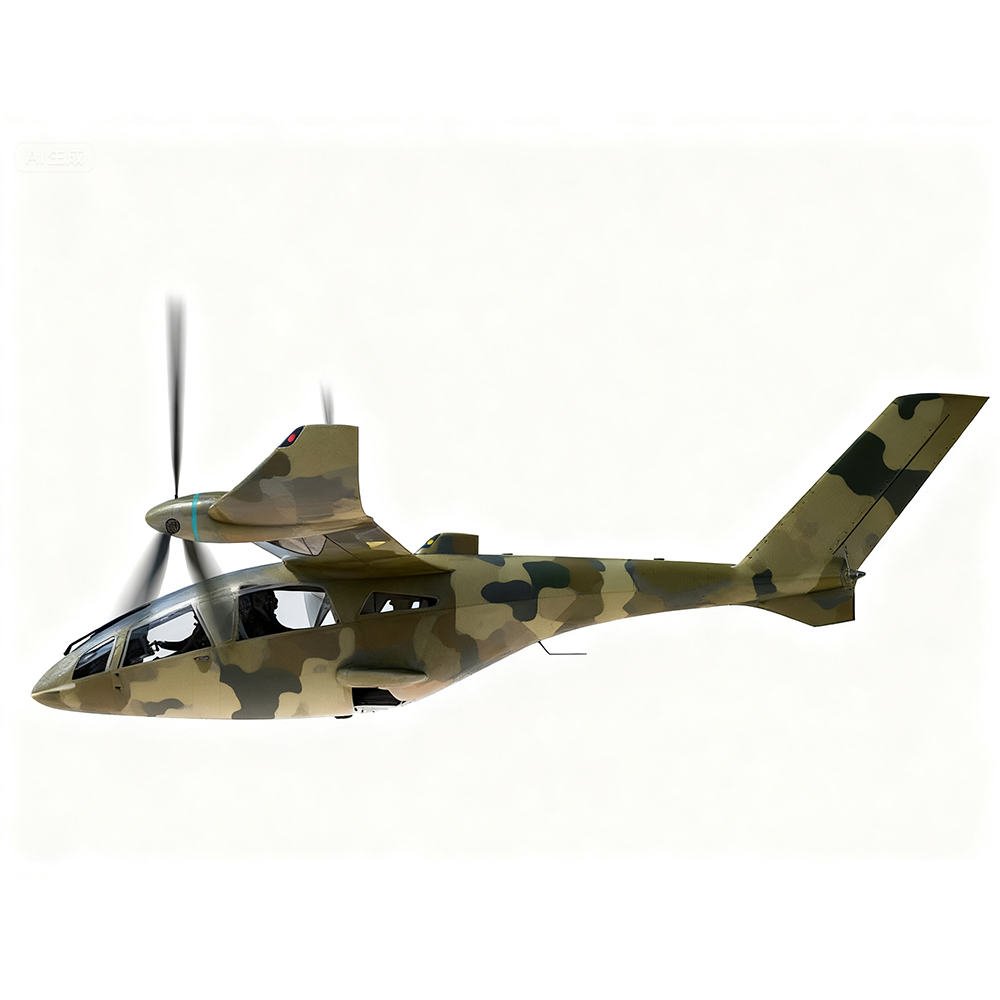
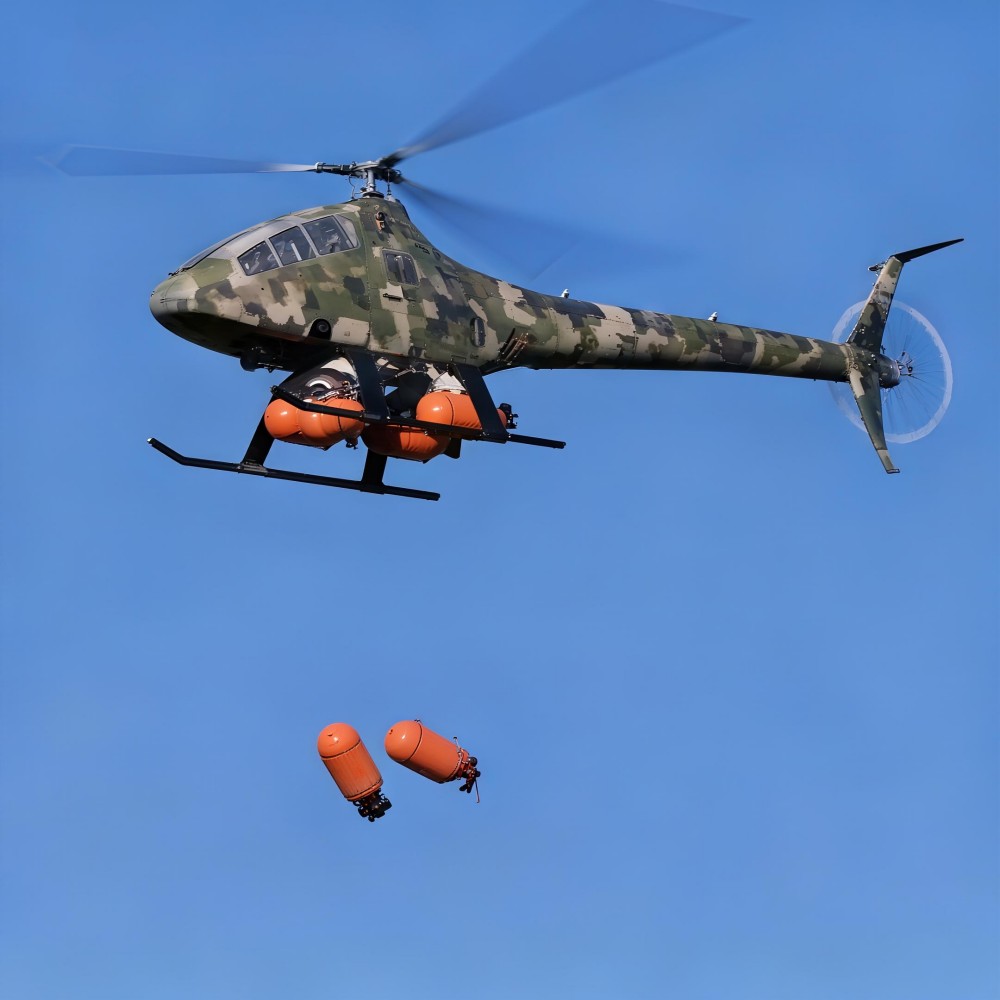
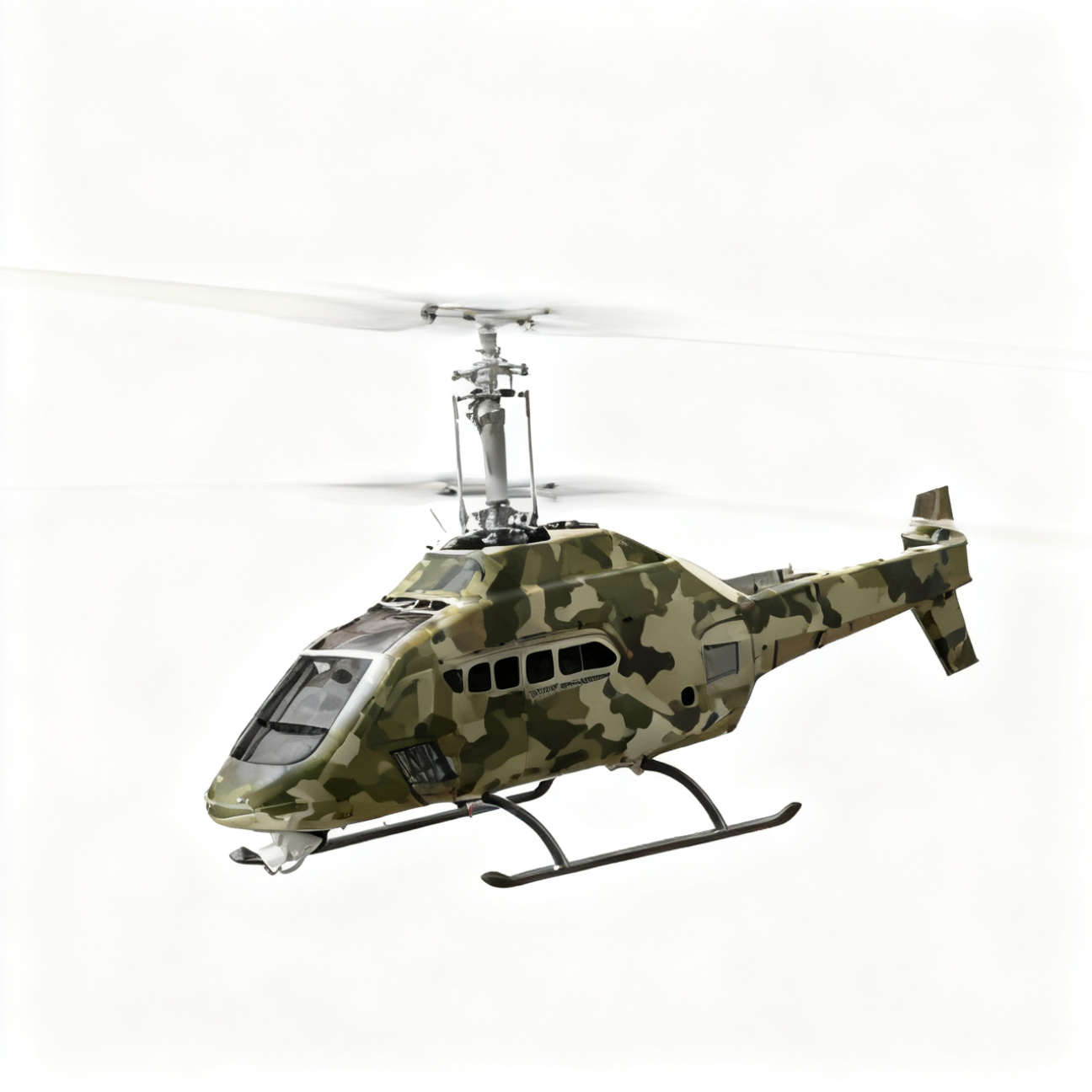
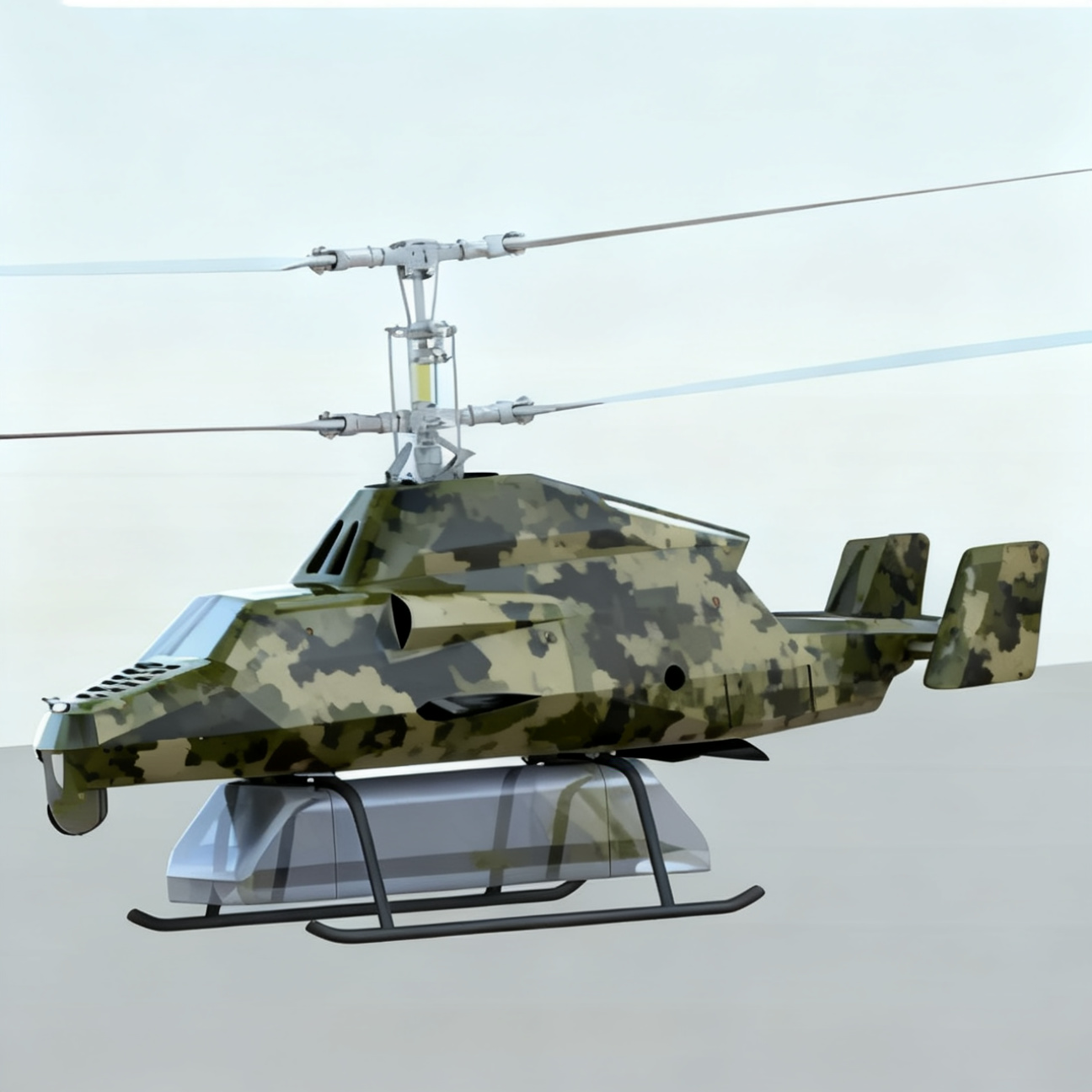
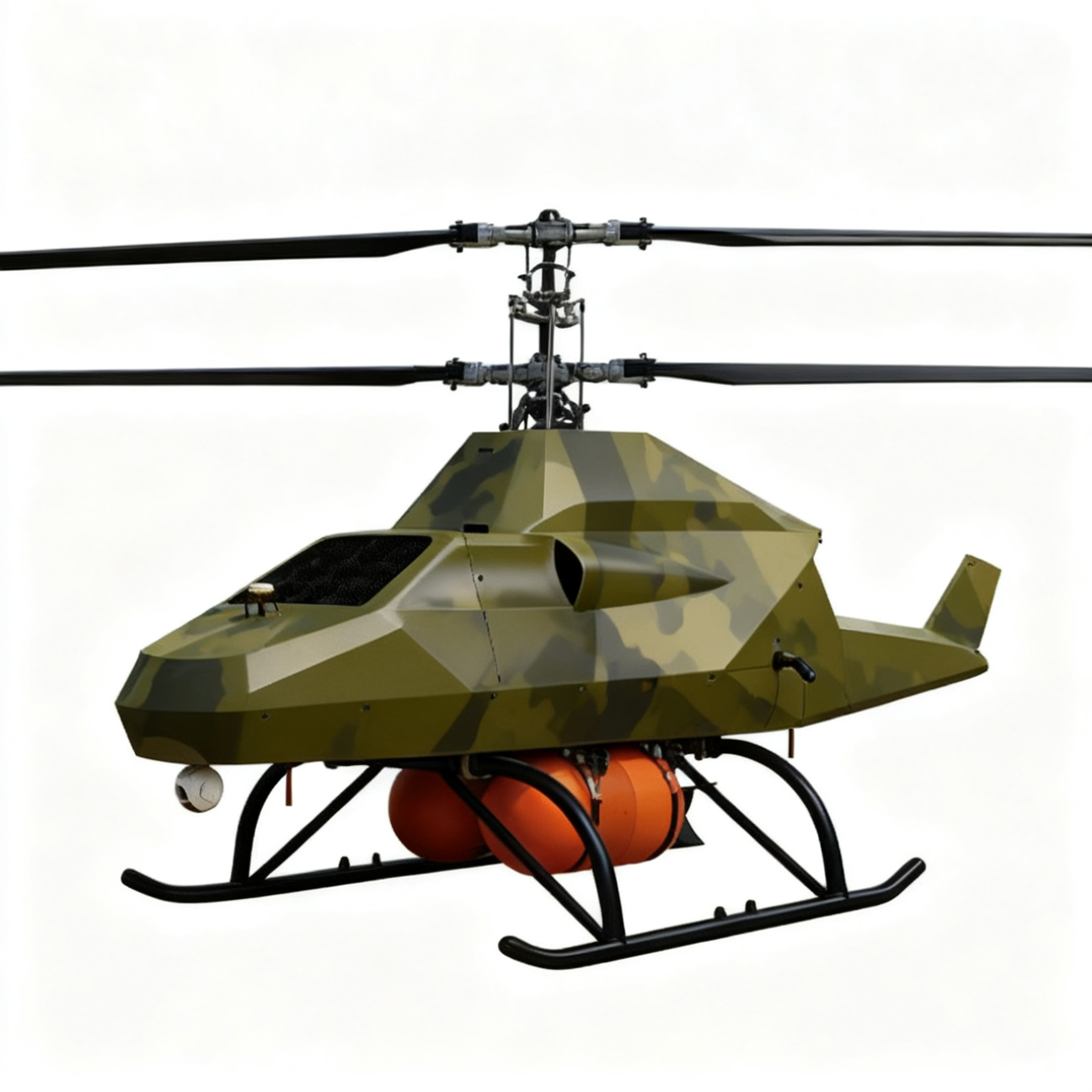
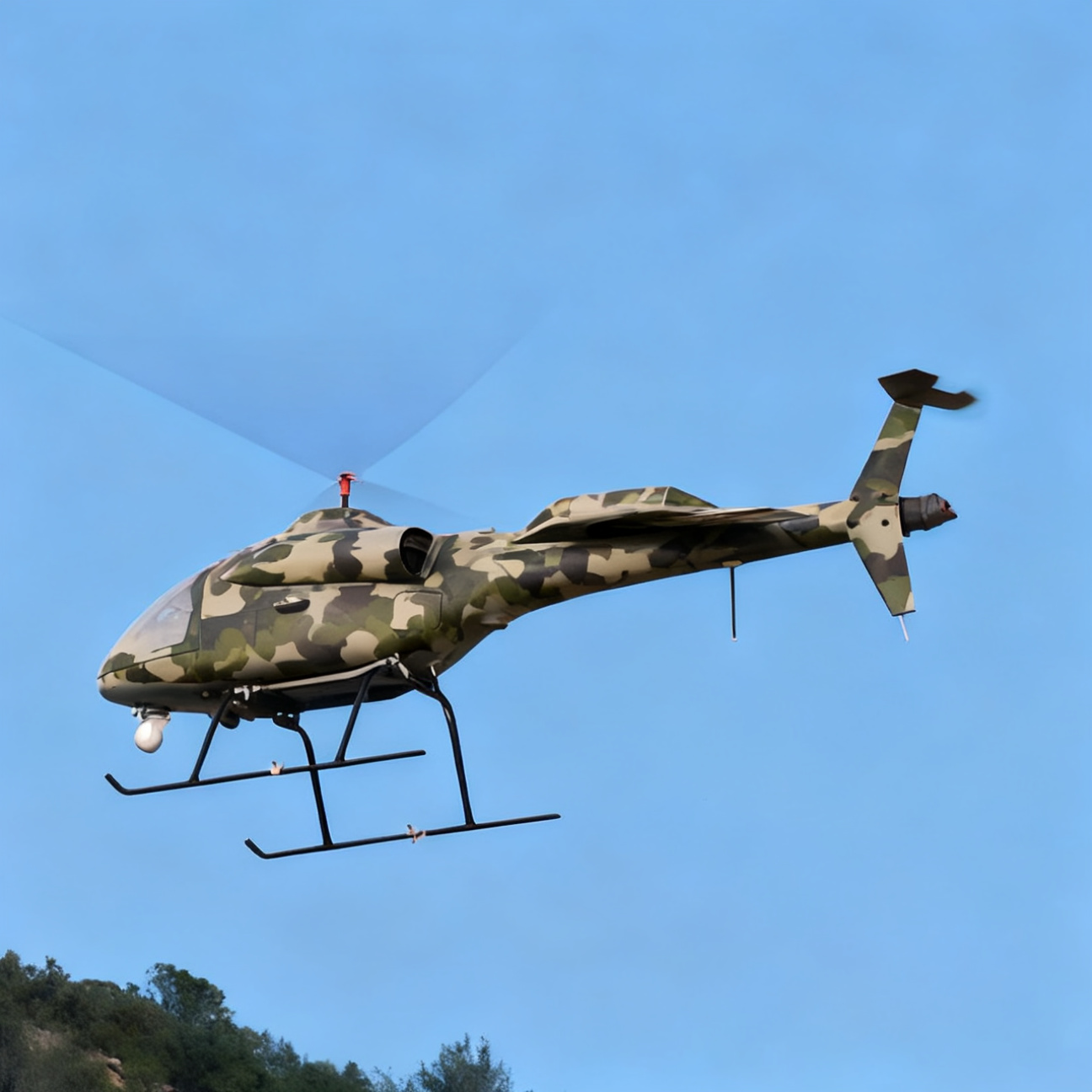
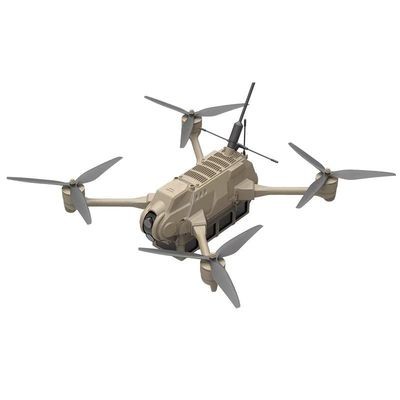
The Heavy Lift Firefighting & Logistics UAV is a professional unmanned aerial platform designed for emergency response, public safety, logistics transportation, and aerial reconnaissance missions.
With a maximum payload capacity of 50kg/100kg, this multi-purpose UAV can transport emergency supplies, firefighting equipment, and rescue materials to difficult-access areas. Equipped with an advanced triple optical payload system, the drone provides day and night observation capabilities for applications including wildfire monitoring, disaster assessment, search and rescue, infrastructure inspection, and remote-area operations.
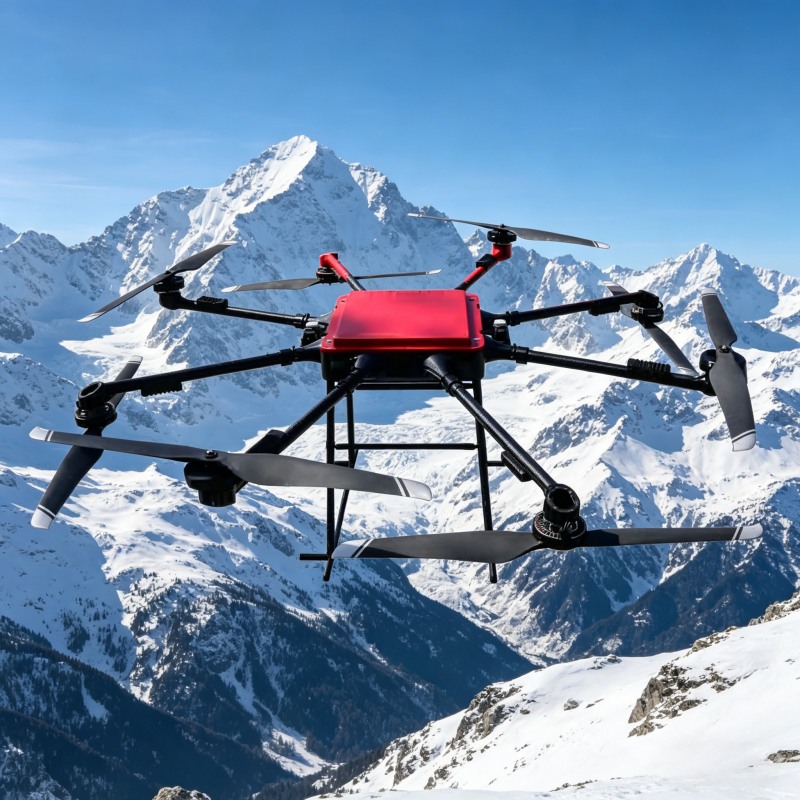
Designed for challenging environments such as mountains, forests, deserts, grasslands, and disaster zones, this heavy lift drone provides reliable aerial support where traditional vehicles and manpower are limited.
The platform combines high-load transportation capability with intelligent aerial monitoring functions.
It can support:
With a payload range of up to 50kg, the UAV can carry different mission equipment, including rescue supplies, firefighting devices, and customized delivery modules.
Product
| SN | Item | Parameter |
|---|---|---|
| 1 | Body material | Carbon fiber |
| 2 | Symmetrical motor wheelbase | 2850 ± 20 mm |
| 3 | Max wingspan | 3950 ± 20 mm |
| 4 | Empty weight | 43 ± 1 kg (without batteries) |
| 5 | Max takeoff weight | ≤ 140 kg ± 0.2 kg |
| 6 | Max working load | 50 kg |
| 7 | Flight time with standard payload (1.5 kg) | 60 min (Altitude = 1000 m, 25 ℃) |
| 8 | Full load flight time (50 kg) | 28 min (Altitude = 500 m, 25 ℃) |
| 9 | Load flight time (20 kg) | 50 min (Altitude = 500 m, 25 ℃) |
| 10 | Remote control distance | 5 km (depending on local electromagnetic environment) |
| 11 | Ground station control distance | 10 km (depending on local electromagnetic environment) |
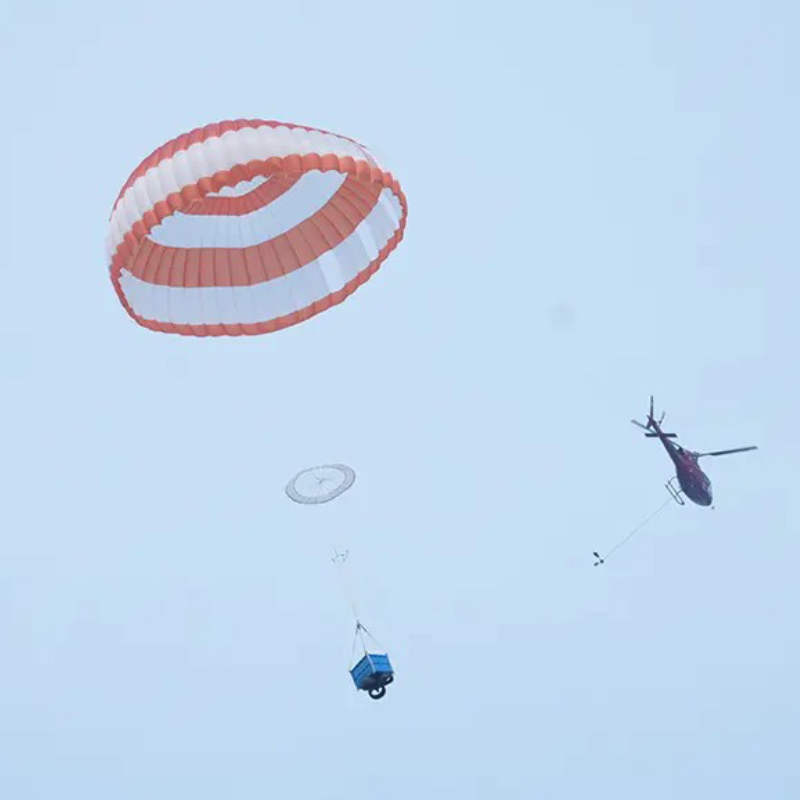
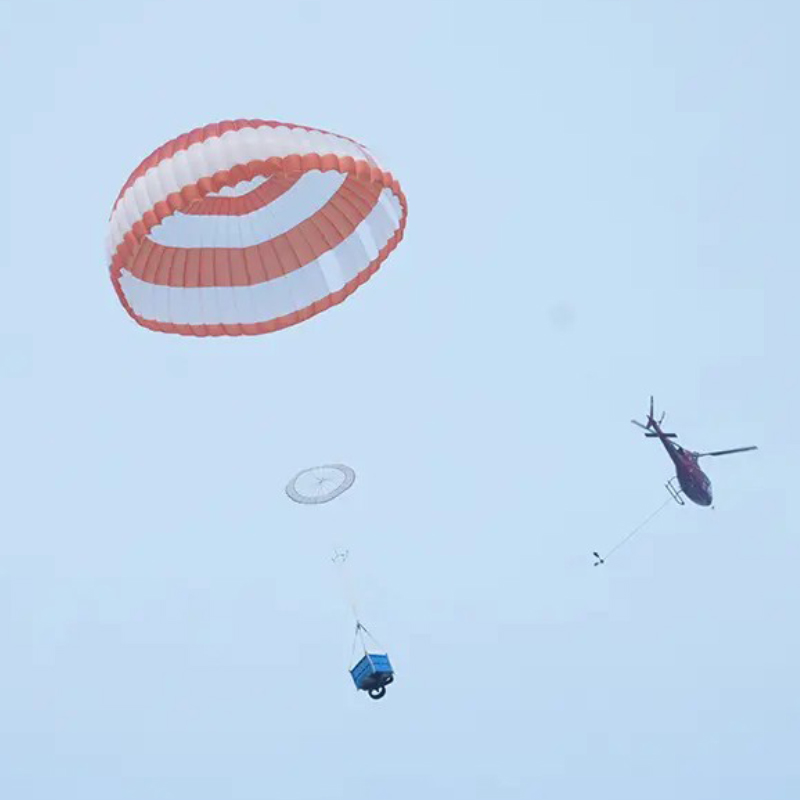
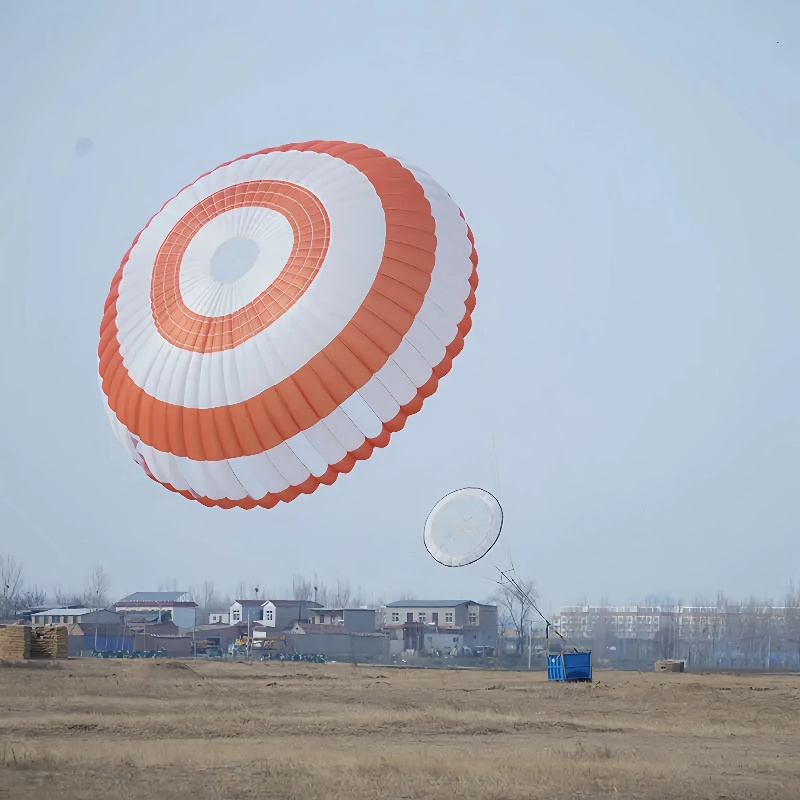
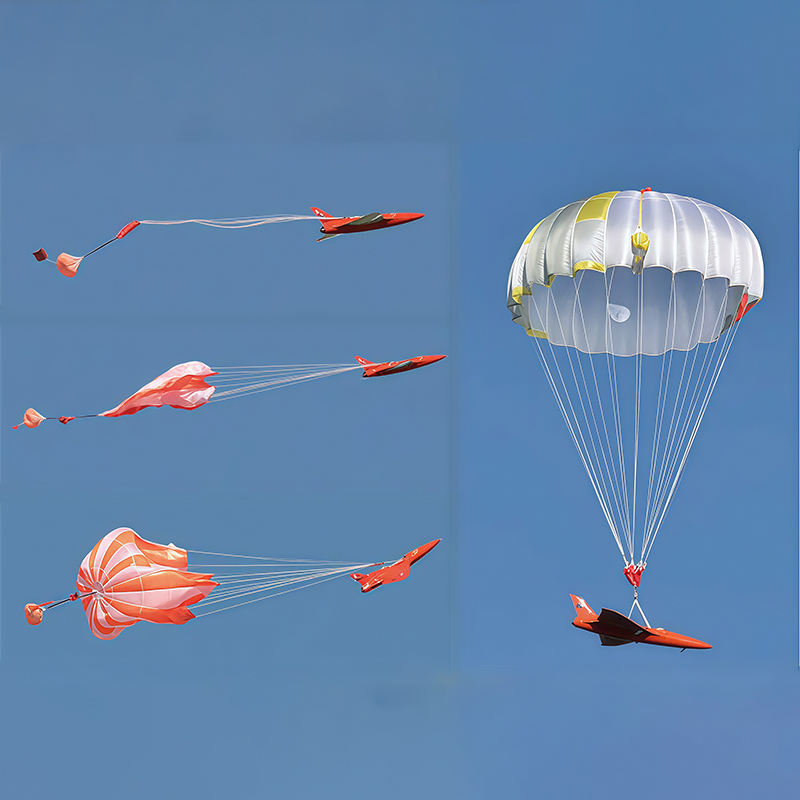
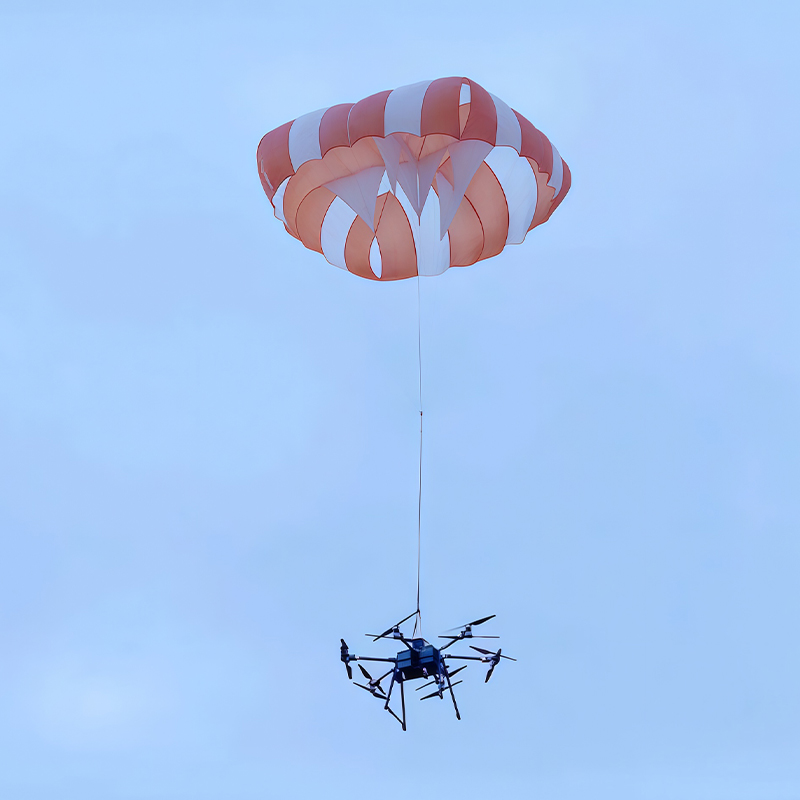
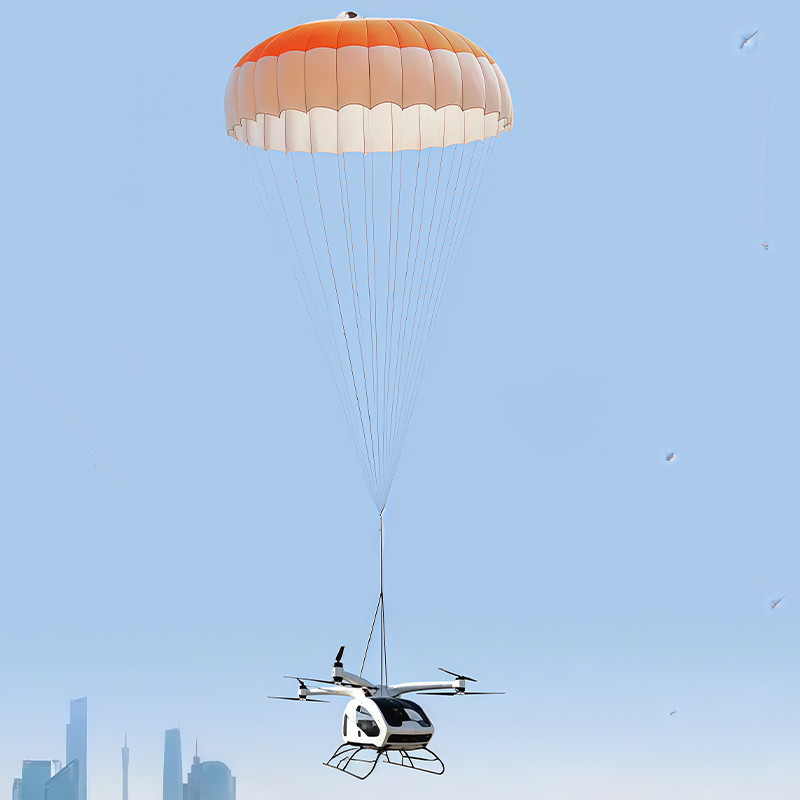
| 12 | Optional configuration | RTK, obstacle avoidance, parachute, dual GPS, 30 km remote control distance, other customization |
Thrower (or customized delivery box, etc)
Working voltage: DC12V
Payload weight: 50kg Weight: 350g
Throwing precision: ≤1m in 50m height for fire extinguishing bomb and cargo precision Error.
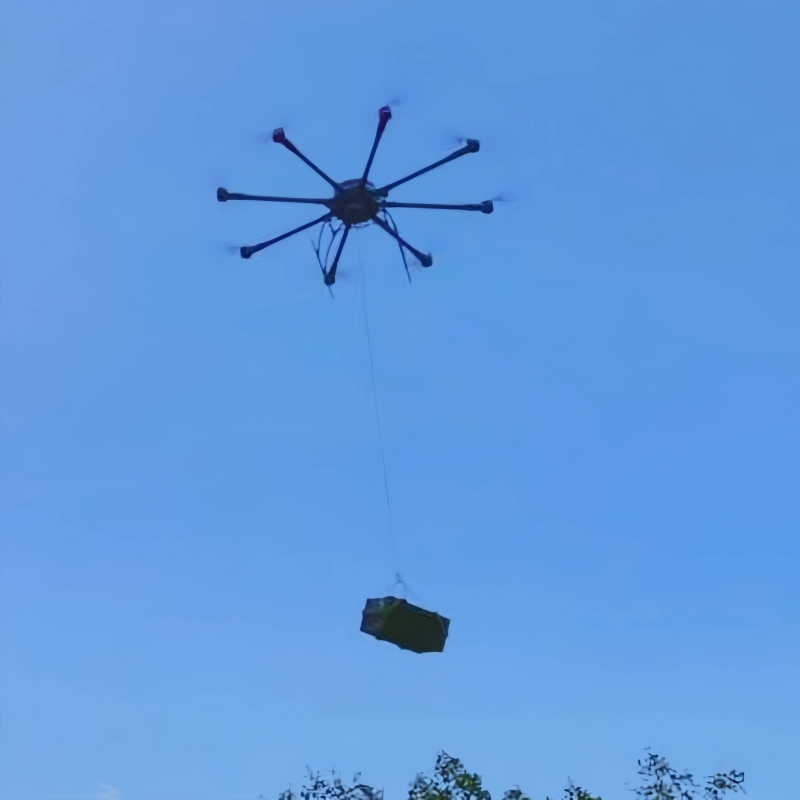
The UAV features a powerful propulsion system and lightweight carbon fiber structure, providing excellent load capacity and flight efficiency.
Performance highlights:
The foldable carbon fiber frame and arms allow easier transportation and rapid deployment in different mission areas.
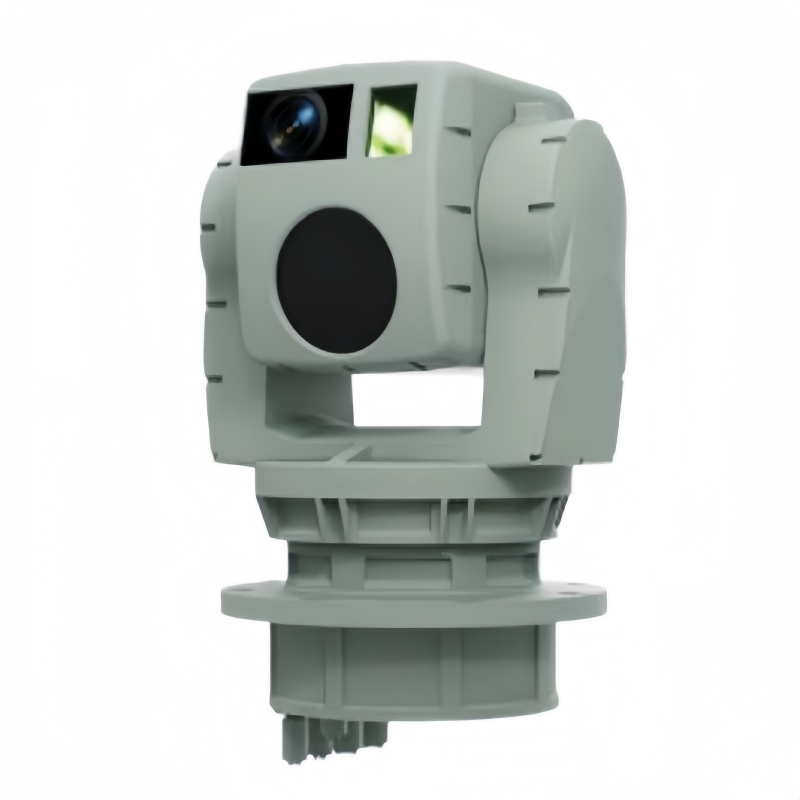
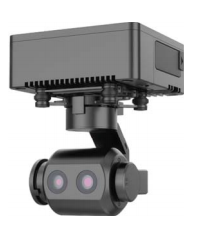
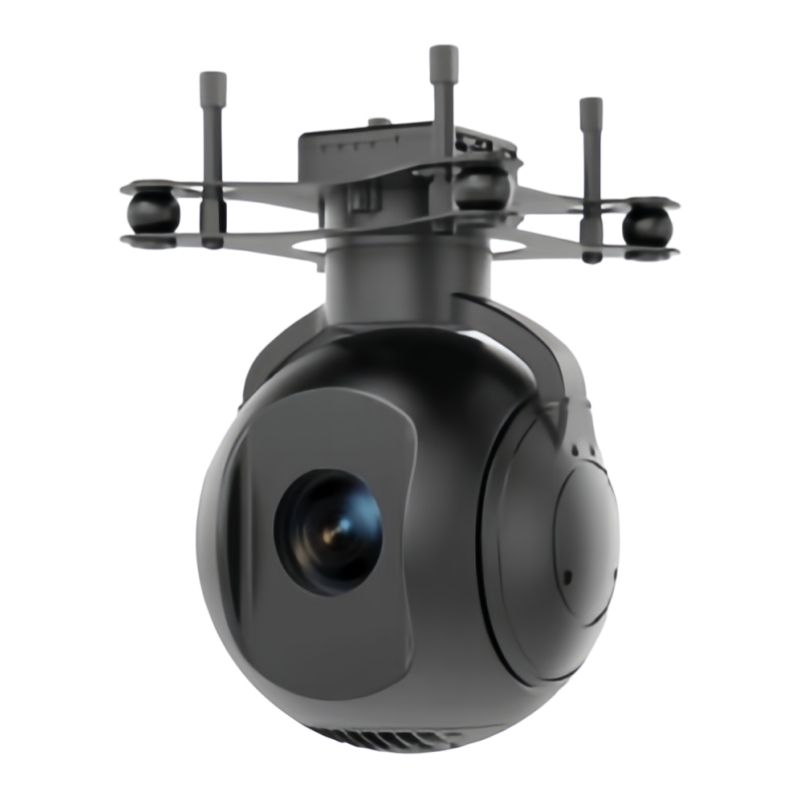
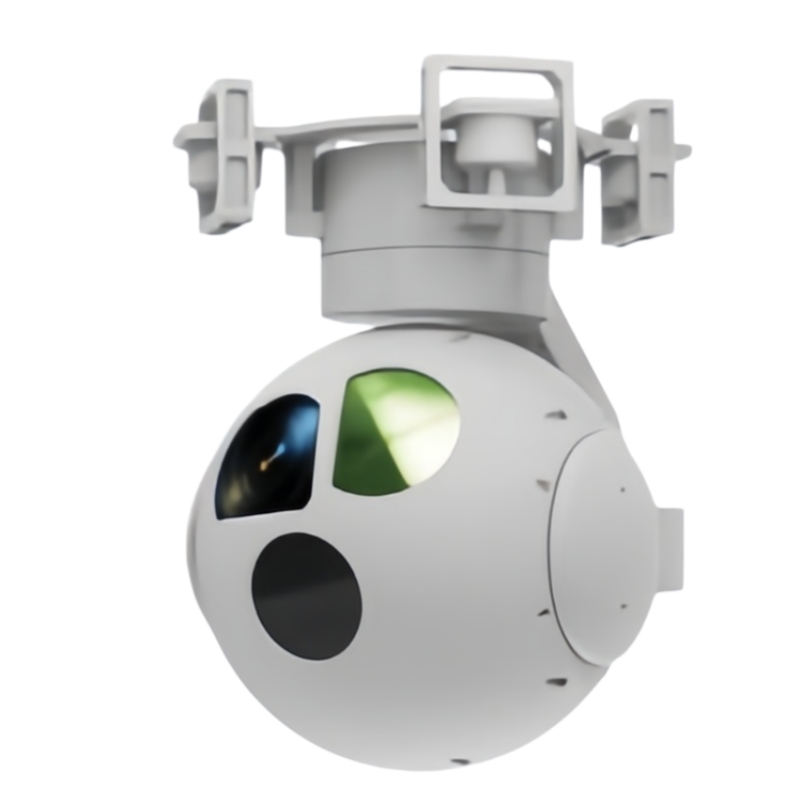
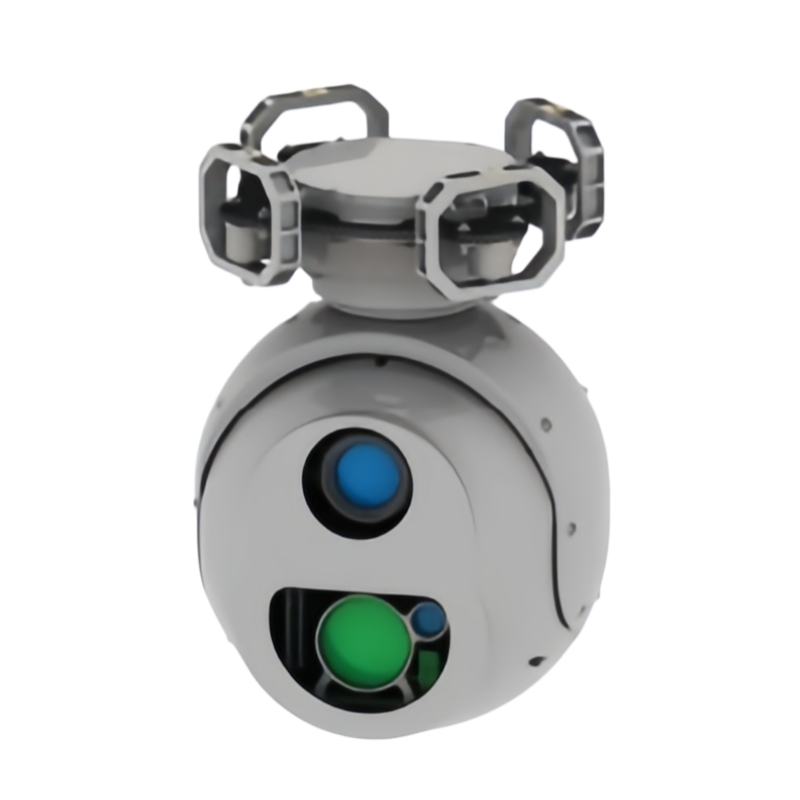
The integrated EO/IR/Laser payload combines multiple sensing technologies into one compact aerial imaging solution.
The system includes:
This configuration enables:
The stabilized PTZ gimbal provides smooth imaging even during flight movement, ensuring clear and reliable video transmission.
For wildfire and disaster response applications, the UAV integrates intelligent analysis functions to improve mission efficiency.
Features include:
The system can identify forest fire smoke sources and provide target coordinates to the ground control station, allowing operators to quickly locate potential fire areas.
The UAV supports rapid aerial mapping by combining captured images with geographic information systems.
Mapping data can be generated within seconds and transmitted to the cloud platform, helping commanders understand field conditions and make faster decisions.
The UAV is designed for operation in complex environments with advanced reliability features.
Key technologies include:
The onboard recording unit stores important flight information, including:
Recorded data can be stored, exported, and reviewed for mission analysis.
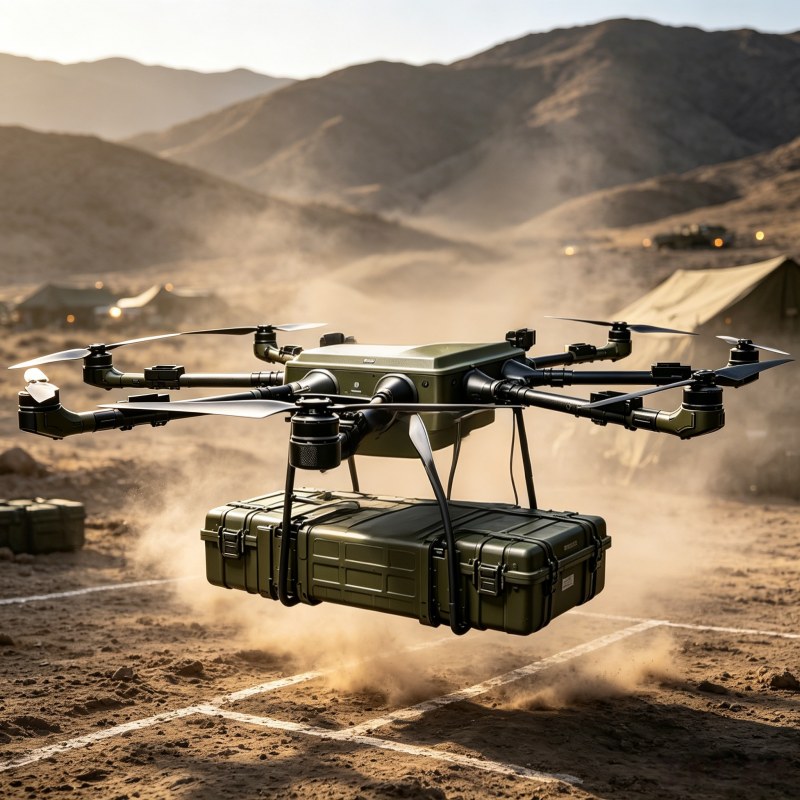
The UAV can be equipped with a customized delivery box or throwing system for emergency missions.
The payload release system supports:
Technical specifications:
This capability allows precise delivery in areas where ground access is difficult.
The Heavy Lift Firefighting UAV can support:
China Xinxing Xiamen Import and Export Co., Ltd. provides advanced unmanned system solutions for government agencies, emergency organizations, security departments, and professional customers worldwide.
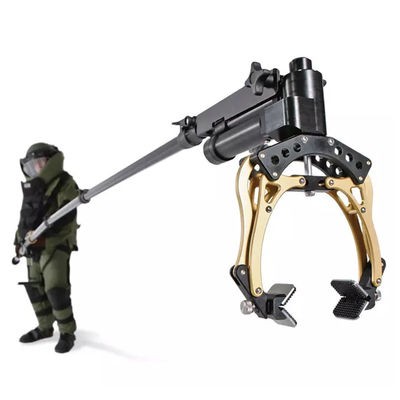
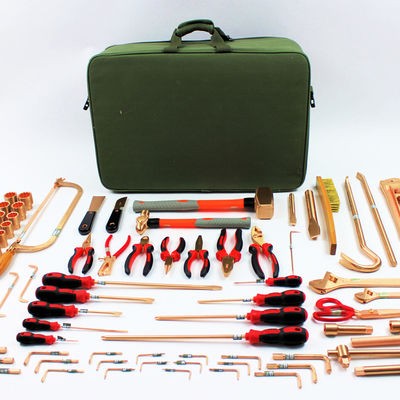
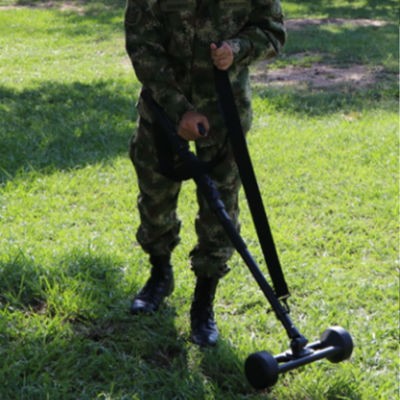
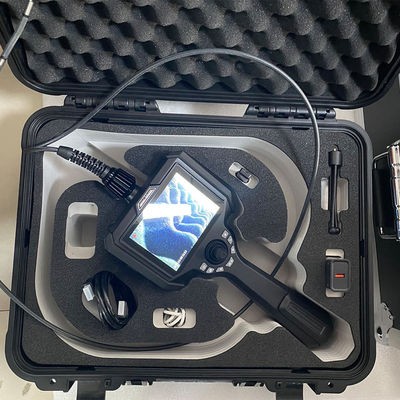
Our product portfolio includes heavy lift UAVs, firefighting drones, aerial surveillance systems, EOD robots, specialized vehicles, and emergency response equipment.
With integrated hardware capabilities and customized solutions, we support customers in building reliable unmanned systems for complex operational environments.
FAQ
1.What is the payload capacity of this cargo delivery drone?
This heavy lift cargo drone supports payload delivery missions up to 50kg, making it suitable for logistics transport, emergency supply delivery, and firefighting operations.
Yes. The drone can carry firefighting bombs and supports aerial firefighting operations for forests, buildings, mountains, grasslands, and remote areas.
What industries can use this UAV platform?
This UAV platform is widely used in:
• Emergency rescue
• Disaster relief
• Forest firefighting
• Cargo transport
• Military logistics
• Industrial inspection
• High-altitude delivery operations
Yes. The drone is designed for complex environments including mountains, plateaus, deserts, forests, and remote logistics routes.
4.What camera systems are supported?
The drone supports triple-sensor EO/IR camera systems for:
• Day/night reconnaissance
• Fire monitoring
• Target positioning
• Emergency observation
5.Can the drone operate beyond visual line of sight (BVLOS)?
Yes. Depending on the mission configuration, the UAV can support long-range remote operation and non-line-of-sight missions.
Yes. Customized payload systems, communication modules, camera payloads, firefighting systems, and mission configurations are available for OEM/ODM projects.
Heavy lift UAVs reduce manpower risk, lower operational costs, improve deployment speed, and can access remote or dangerous environments more efficiently than traditional vehicles or helicopters.
8.How eod robots disarm explosives?
Modern bomb disposal robots are sophisticated machines designed to keep human operators at a safe distance while they inspect, identify, and neutralize explosive threats. Here's a breakdown of how they work:
Core Components
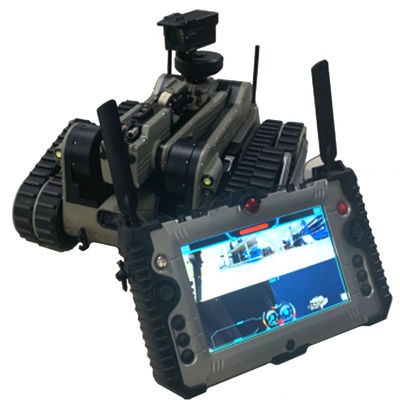
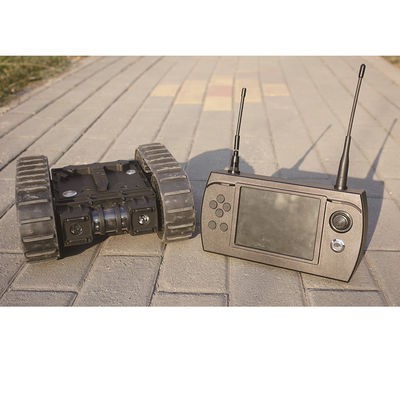
EOD robots are built around several key systems:
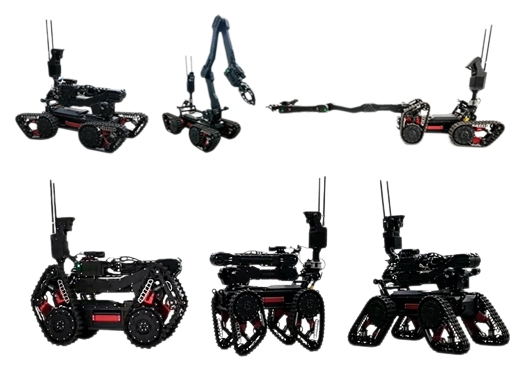
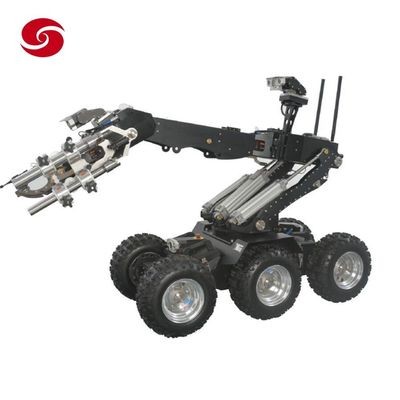
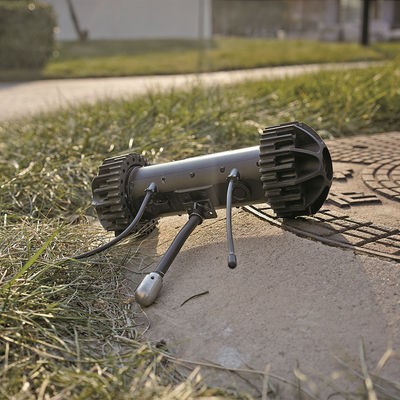
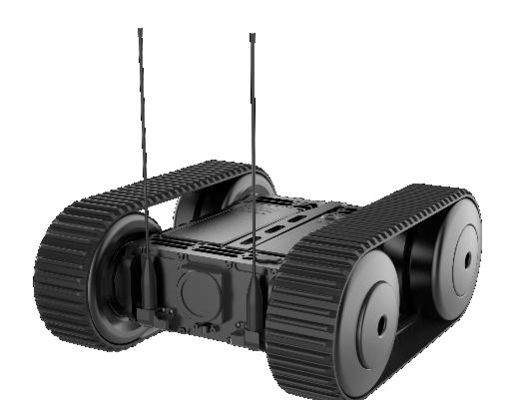
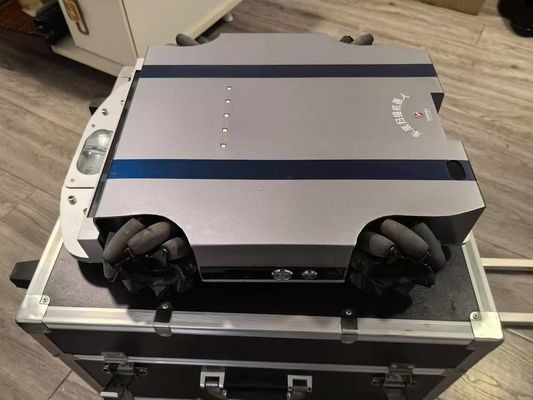
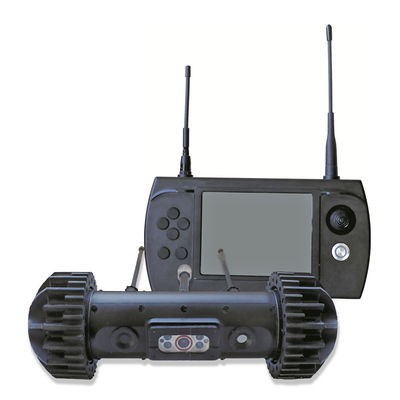
Mobility Platform — Most use tank-like continuous tracks (some use wheels or a wheel-track hybrid) to traverse rubble, stairs, slopes, and uneven terrain. For example, the L3Harris T7 can climb slopes exceeding 45° and operate on 30° side slopes.
Sensor Suite — High-definition cameras (front, rear, corner, and gripper-mounted), thermal imaging, zoom pan-tilt-zoom masts, metal detectors, and chemical sensors give operators a comprehensive view of the threat.
Manipulator Arm — A multi-degree-of-freedom robotic arm (often 6-DOF) with force-sensing grippers, wire cutters, and tool mounts. The T7's arm, for instance, reaches about 2.2 m horizontally and lifts over 27 kg at full extension.
Control System — Operators control the robot from a safe distance via a laptop-like console with joysticks, monitors, and sometimes VR headsets. Communication can be wireless or via a tethered cable in jamming-prone environments.
The Disarming Process
The typical workflow follows these stages:
Detection & Reconnaissance
The robot approaches the suspicious object while streaming live video and sensor data back to the operator. Thermal cameras and chemical detectors help identify the nature of the threat without physical contact.
Identification
Using its cameras and sensors, the robot helps the operator determine the type of explosive device — whether it's an IED, unexploded ordnance, or a booby-trapped object — and assess its triggering mechanism (wires, timers, pressure plates, etc.).
Neutralization
This is where the actual disarming happens. There are several methods:
Water Disruptor — The most iconic EOD tool. A small cylindrical device filled with water is fired at the explosive's triggering mechanism using gunpowder propulsion. The water jet travels faster than the speed of electricity, severing circuits and destroying the initiator before it can detonate the main charge. This is the primary method used by robots like the Mk8 and T7.
Remote Wire Cutting — The robot's manipulator arm uses precision cutters to snip wires connected to the detonator, disabling the firing circuit.
Controlled Detonation — The robot places a small counter-charge next to the device and retreats to a safe distance before detonating it in a controlled manner.
Liquid Nitrogen Freezing — For sensitive devices (e.g., mercury-tilt bombs), the robot can deploy a liquid nitrogen spray to freeze the power source or trigger mechanism to −100°C within seconds, rendering it inert.
Transfer & Containment — The robot carefully picks up the device and moves it to a designated safe area or into a containment vessel for later disposal.
Advanced Capabilities
Modern EOD robots are pushing into new territory:
Haptic Feedback — The T7 robot transmits vibration feedback to the operator's handgrip, letting them literally "feel" what the robot's gripper is touching, enabling human-like dexterity from a distance.
Drone-Robot Coordination — Military units now pair aerial drones (for overhead reconnaissance and positioning) with ground robots (for hands-on disarming), creating a coordinated unmanned team.
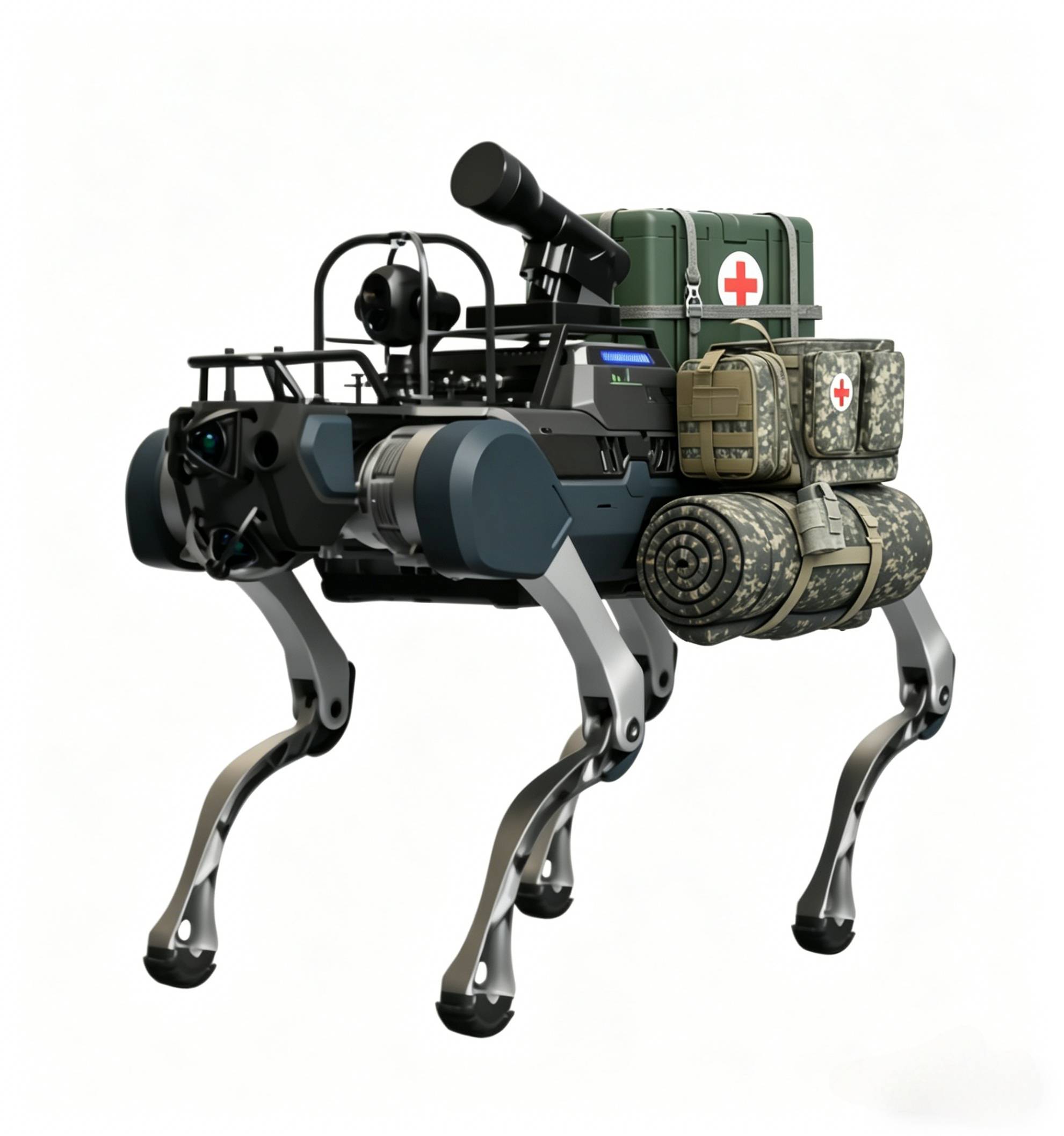
Robotic Dogs — The UK's Defence Science and Technology Laboratory has trialed quadruped robot dogs that can navigate stairs, open doors, inspect IEDs, and fire disruptors — extending EOD capability into spaces where tracked robots can't go.
AI & Autonomy — Emerging systems use AI for autonomous threat detection, path planning, and obstacle avoidance, reducing the cognitive load on human operators.
In Summary
The fundamental principle is simple: keep the human as far away as possible. The robot acts as the operator's eyes, hands, and sometimes even "sense of touch" in the danger zone. Whether it's firing a water disruptor to destroy a detonator in milliseconds, delicately snipping a wire, or freezing a trigger mechanism, the goal is always to neutralize the threat without triggering an explosion — and if that's not possible, to do so in a controlled, contained manner.
9.Is EOD military or civilian?
EOD (Explosive Ordnance Disposal) operations are divided into two main systems: military and civilian. The core disposal skills of the two are similar, but there are significant differences in responsibilities, resources, and authorities.
The military EOD covers the Army, Navy, Air Force, and Marine Corps. The US military branches conduct EOD training uniformly at the Joint Naval School at Eglin Air Force Base. The main tasks include dealing with unexploded ordnance (UXO), improvised explosive devices (IED), mines, nuclear weapons, as well as chemical, biological, radiological, and nuclear (CBRN) threats, and underwater explosives.
The civilian EOD force includes personnel trained at the FBI Hazardous Materials School, bomb disposal teams of city police departments, airport hazardous materials disposal teams, and non-governmental mine clearance organizations. Law enforcement and emergency response teams carry out bomb removal, threat assessment, and disaster response, and they also use bomb disposal robots for operations. Compared to the military, civilian institutions have limited budgets and do not have operational command authority.
Tags :