What Are You Looking For?
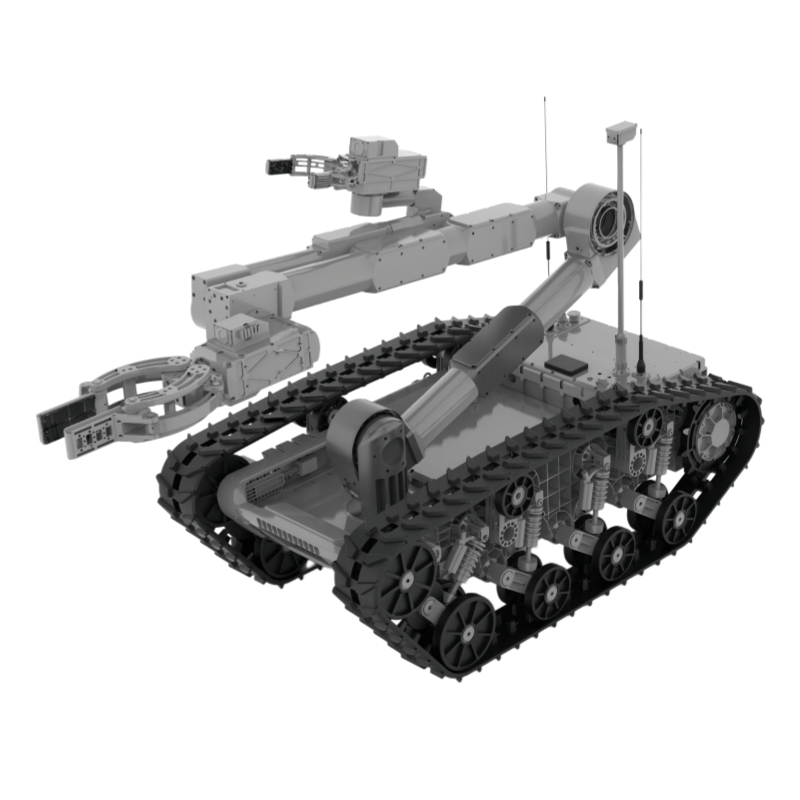
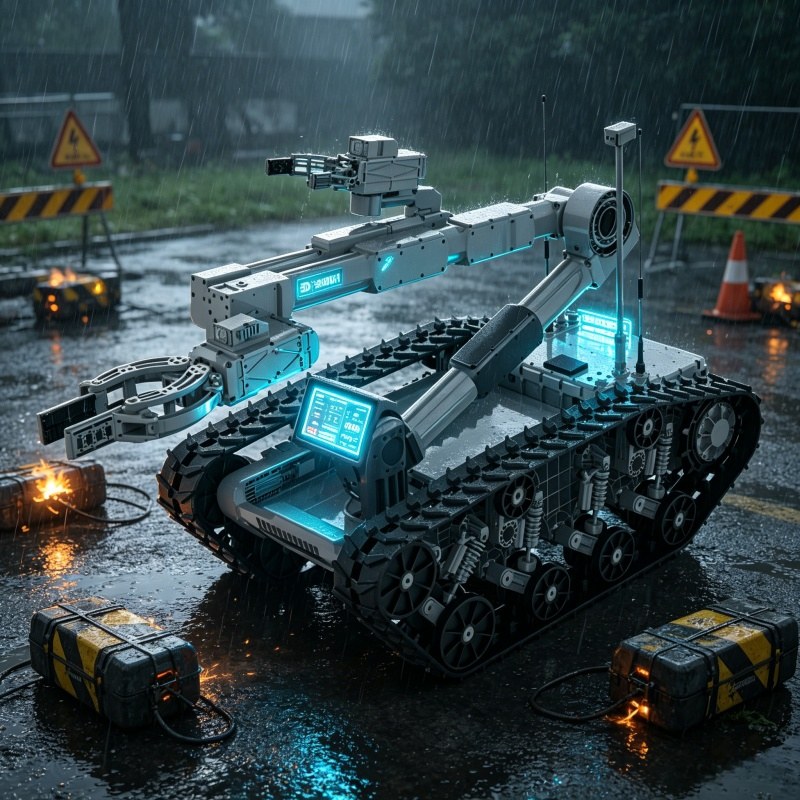
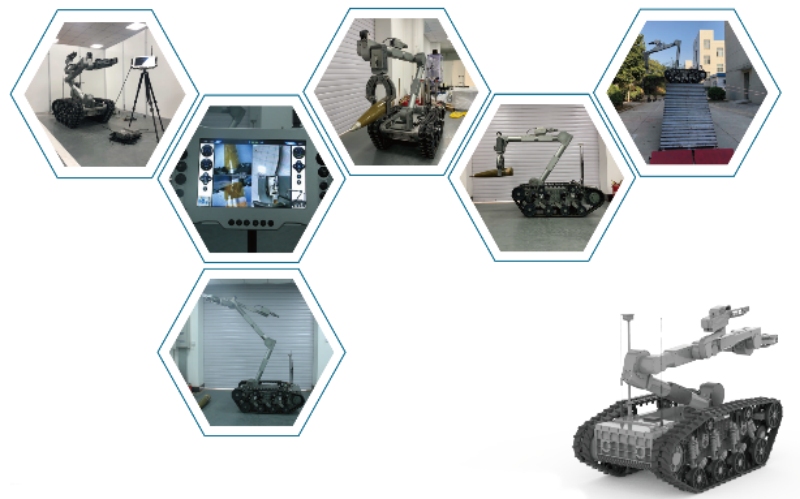
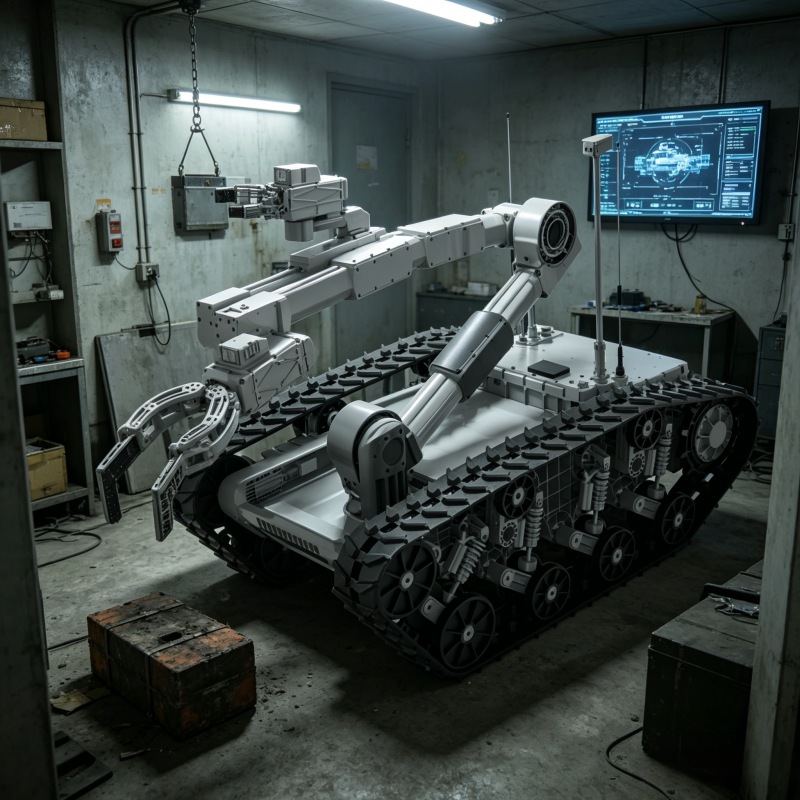
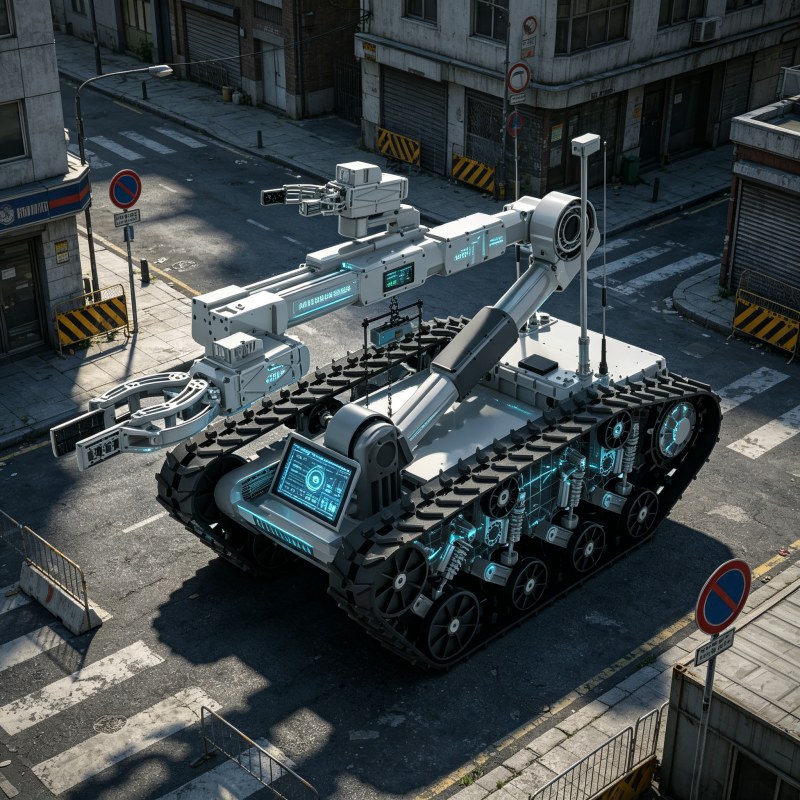
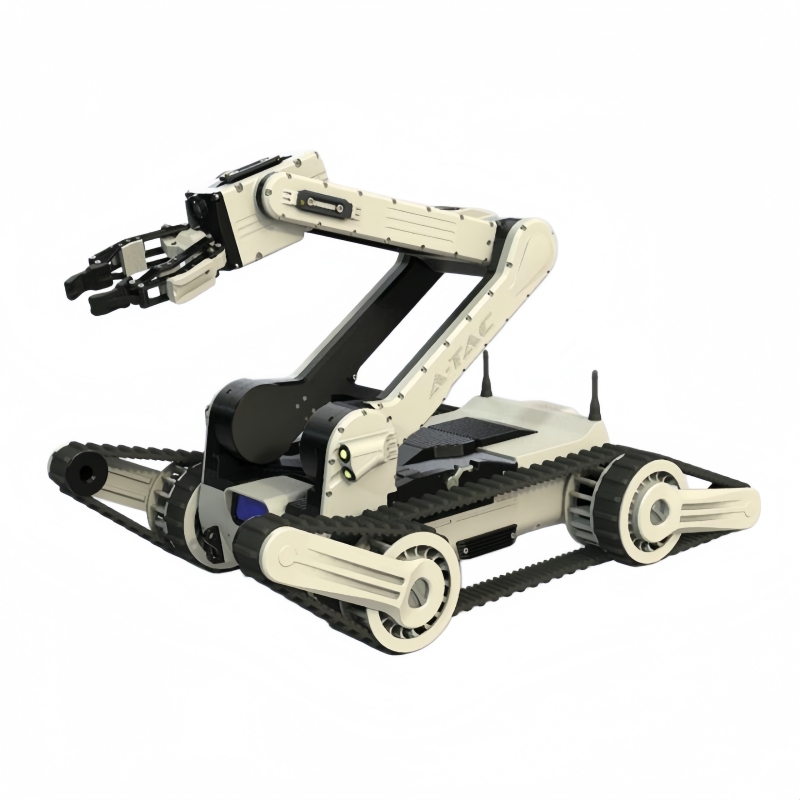
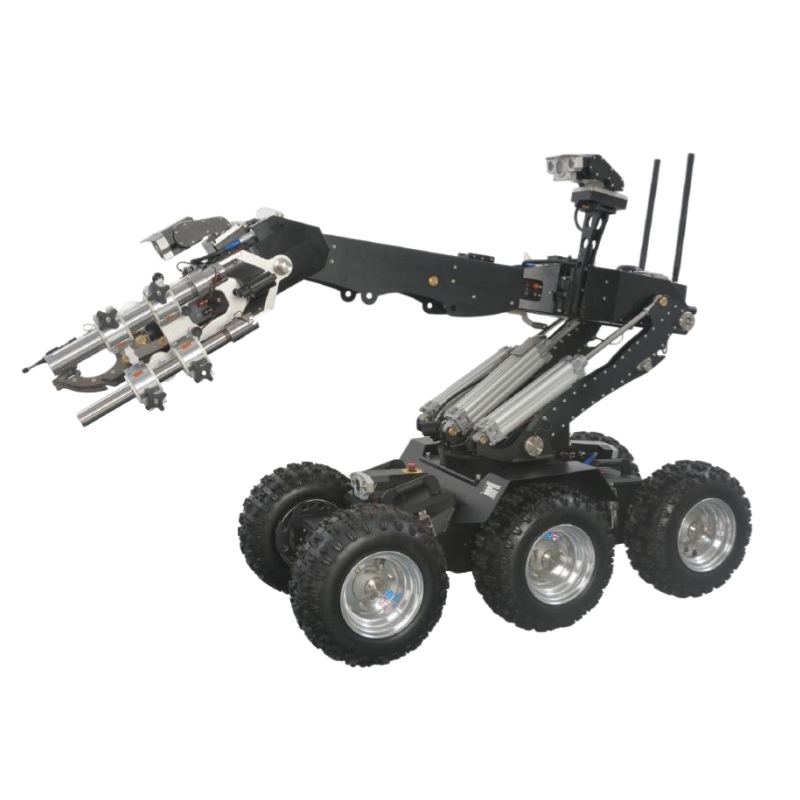
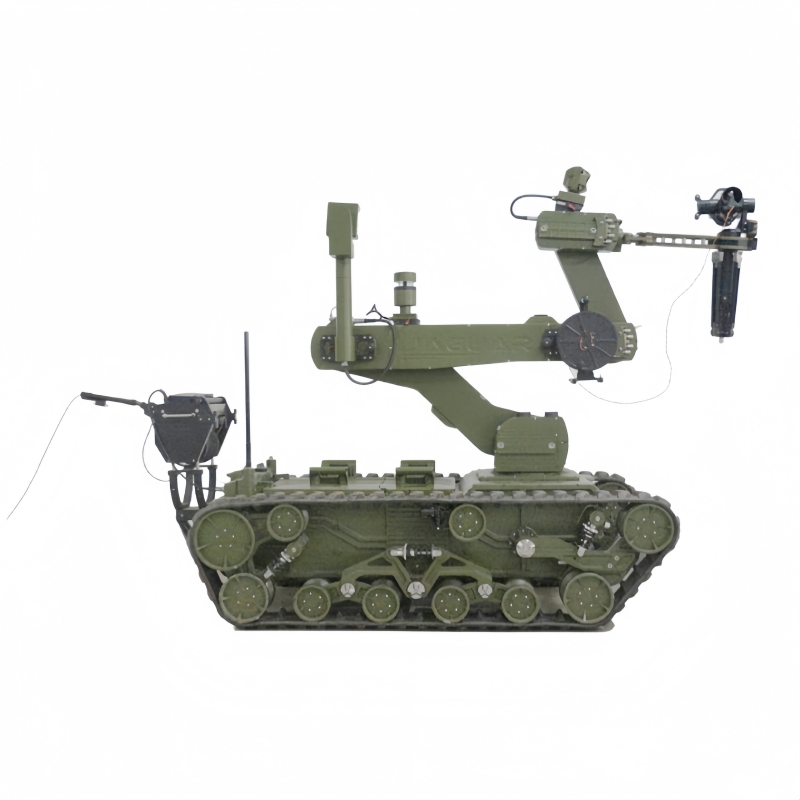
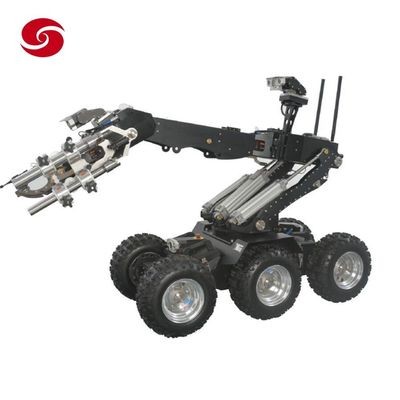
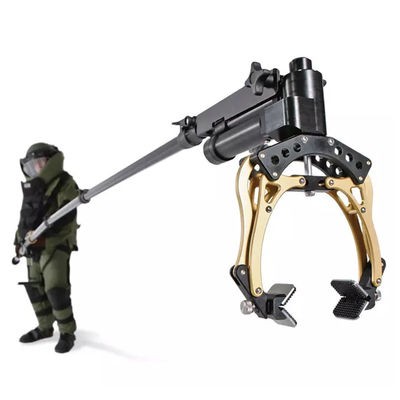
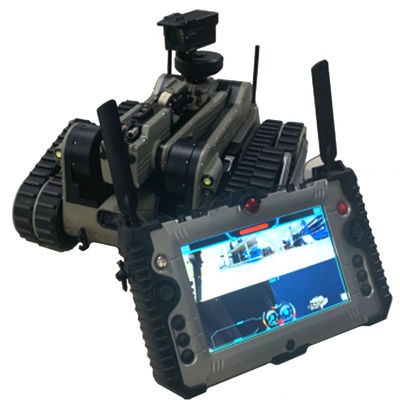
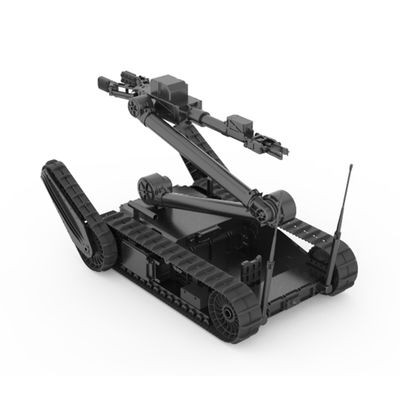
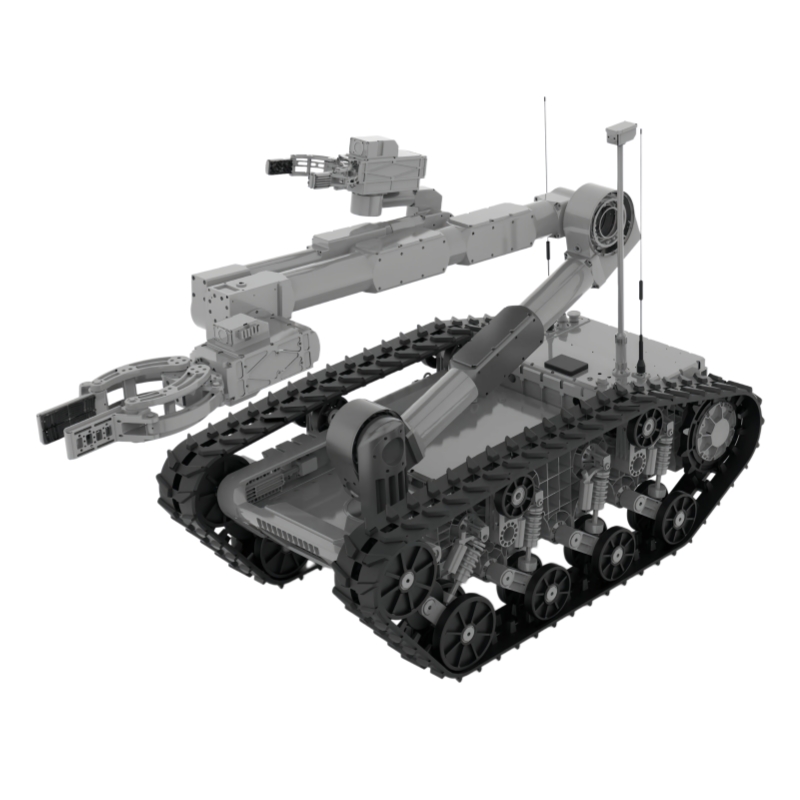
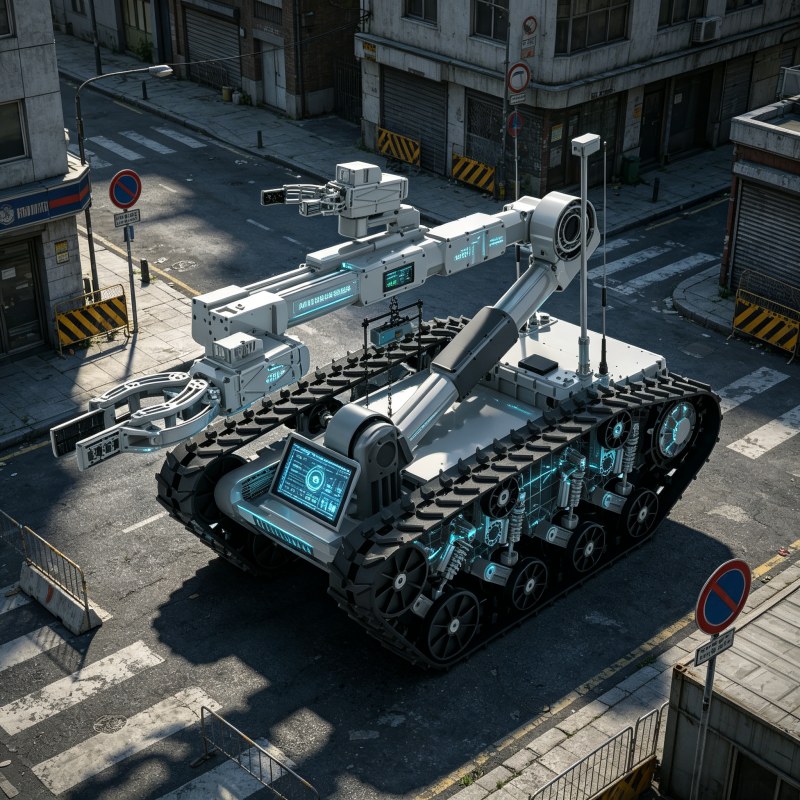
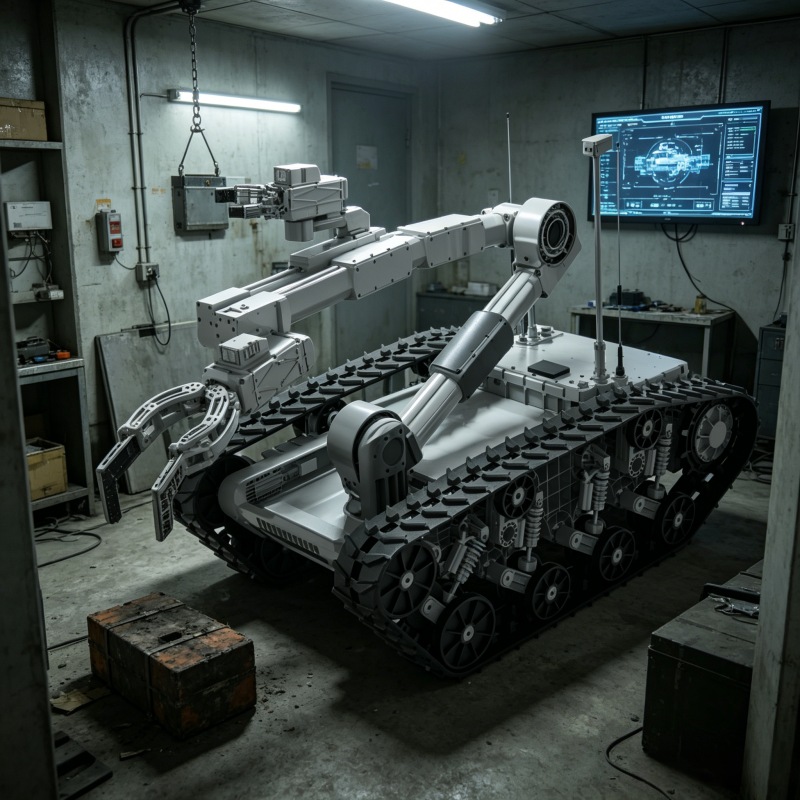
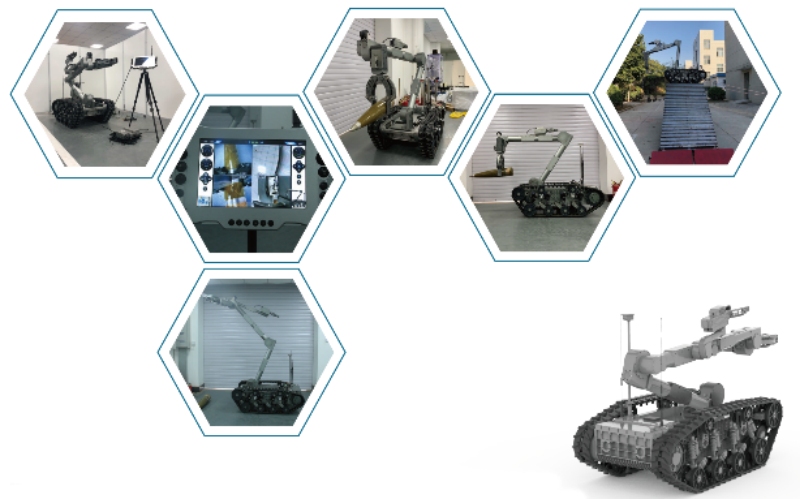
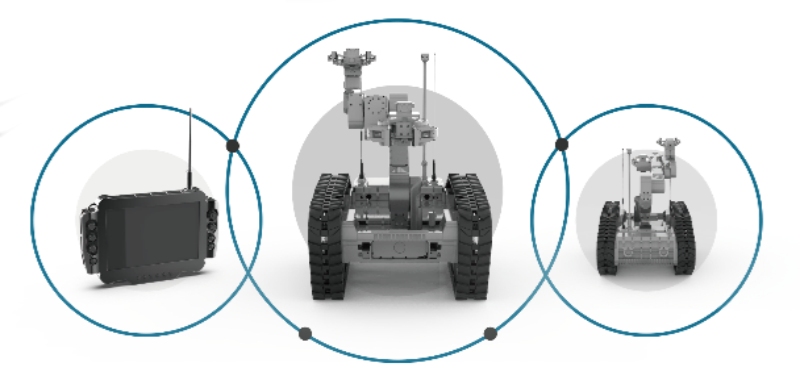
Heavy-duty multi-purpose EOD robot – 400kg, 120kg max grab weight, 9-DOF dual gripper arm, 3.5m vertical reach, Christie suspension, IP66 protection, 6h runtime, -40°C to +50°C operation. For extreme environment bomb disposal and hazardous material handling.
| Parameter | Specification |
|---|---|
| Weight | ≤400 kg |
| Dimensions (L×W×H) | ≤1500 × 850 × 1200 mm |
| Maximum Speed | ≥3 m/s (10.8 km/h) |
| Obstacle Clearance | ≥200 mm |
| Maximum Slope | ≥30° |
| Maximum Grab Weight | ≥120 kg |
| Manipulator DOF | 9 degrees of freedom |
| Grippers | Dual grippers |
| Vertical Reach | ≥3,500 mm |
| Number of Cameras | ≥7 |
| Wireless Range | ≥500 m |
| Protection Rating | IP66 |
| Runtime | ≥6 hours |
120kg Maximum Grab Weight – Lifts heavy IEDs, unexploded ordnance, vehicle bombs, and large suspicious packages.
9-DOF Dual Gripper Arm – Two grippers working in coordination – hold, cut, lift, and manipulate with human-like dexterity.
3.5m Vertical Reach – Reaches truck beds, aircraft cargo holds, second-story windows, and elevated threat locations.
Christie Suspension System – Superior all-terrain mobility – smooth navigation over rubble, rocks, and rough terrain.
7 Cameras for Full Visibility – Complete situational awareness – no blind spots during critical disposal operations.
500m Wireless Range – Operate from safe distance – keep personnel out of blast zone.
IP66 Protection – Dust-tight and protected against high-pressure water jets – operates in any weather.
Extreme Temperature Operation – -40°C to +50°C – arctic cold to desert heat, this robot works.
≥6 Hour Runtime – Extended missions without battery swap or recharge.
400kg Rugged Chassis – Built for the worst environments – heavy, stable, and unstoppable.
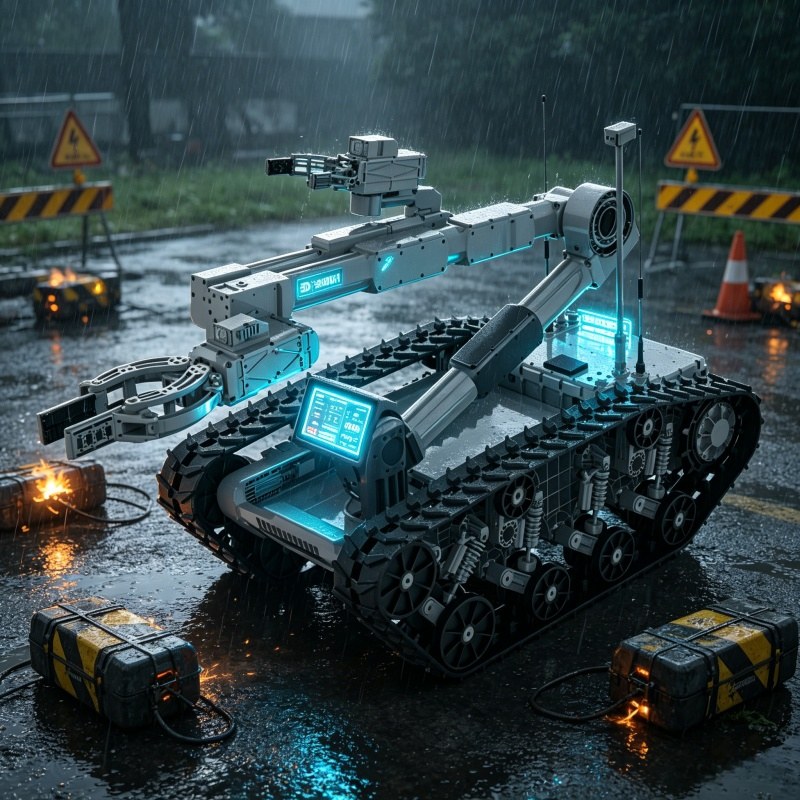
Ideal for:
✔ Military EOD units
✔ Police bomb squads
✔ Vehicle bomb response
✔ Unexploded ordnance (UXO) removal
✔ Aircraft and truck cargo inspection
✔ Heavy hazardous material handling
✔ Urban warfare and counter-IED operations
FAQ
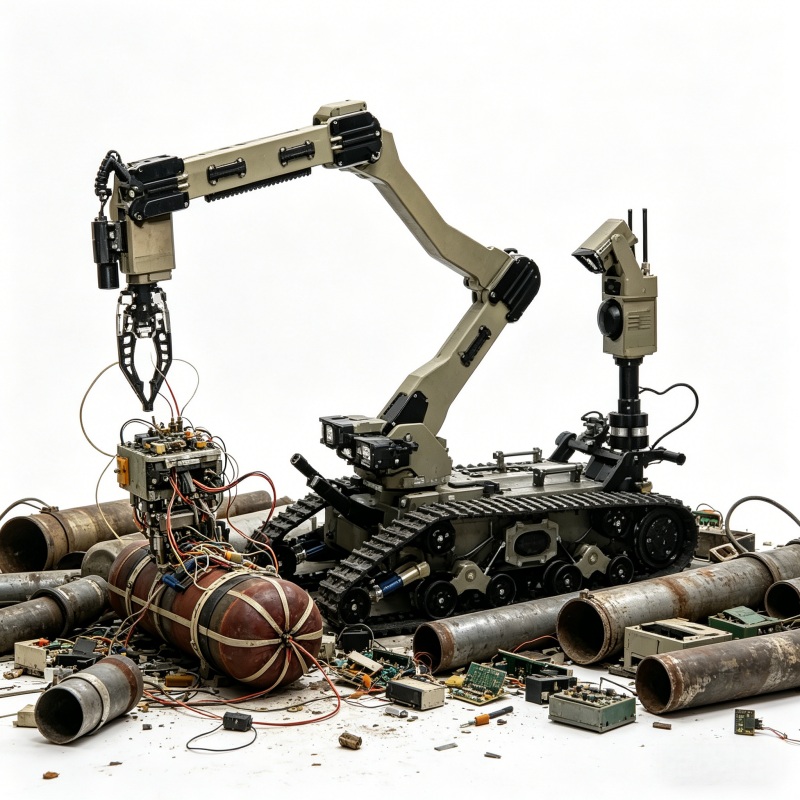
An EOD (Explosive Ordnance Disposal) robot is a remotely operated unmanned ground vehicle (UGV) and a specialized device designed specifically for handling explosive threats. It can detect, identify, approach, inspect, operate, and neutralize targets such as improvised explosive devices (IEDs), unexploded ordnance, and suspicious packages while maintaining a safe distance for operators.
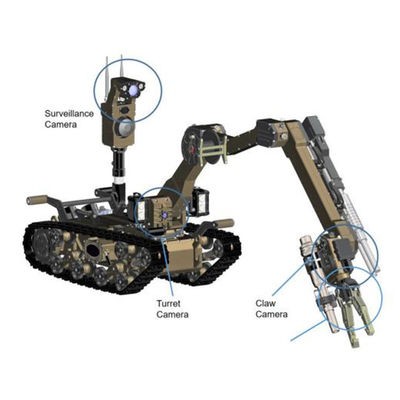
These robots typically use tracked or wheeled platforms equipped with cameras, various sensors, multi-axis robotic arms, and grippers, and can be fitted with specialized tools such as demolitions charges, X-ray imagers, and detonators. This enables them to carry out tasks that are too dangerous for human personnel, effectively eliminating explosive threats while ensuring operator safety. Currently, they are widely used in military bomb disposal units, police bomb squads, and emergency medical teams.
Explosive Ordnance Disposal (EOD) robots are specialized machines designed to keep humans out of harm’s way when dealing with dangerous explosives. These robots are used by military, police, and security teams around the world to detect, inspect, and neutralize bombs safely.
Most EOD robots are remotely controlled and equipped with cameras, sensors, and robotic arms. Operators use live video feeds and sensor data to assess suspicious objects from a safe distance. The robot’s arm allows it to lift, move, or disarm explosives without putting anyone at risk. Some advanced models can carry additional tools like water disruptors, cutting devices, or chemical sensors for complex scenarios.
Mobility is another key feature. EOD robots often have tracked or wheeled systems, enabling them to navigate stairs, rough terrain, or confined spaces. Their design prioritizes stability and precision, allowing operators to perform delicate operations remotely.
In short, EOD robots act as the first line of defense against explosives, combining technology and engineering to protect lives. They are an essential tool for modern bomb disposal teams, making dangerous tasks safer and more efficient.
Small (portable, approximately 10–25 kilograms, such as iRobot PackBot type): $150,000 to $300,000
Medium (trackable, 25–100 kilograms, TALON/Spartan type): $250,000 to $500,000
Large (100–500 kilograms, dual arms, heavy load capacity): $400,000 to over $1 million
Budget/Export Quotation: The basic model can be purchased from low-cost OEM manufacturers starting at approximately $10,000 to $50,000. However, actual public safety purchases typically include cameras, interference equipment, training and support services, and the price usually ranges from $150,000 to $400,000.
Explosive ordnance disposal technicians are among the most risky technical positions in both military and civilian fields. The motto of this position is "Success in the first attempt or total failure."
On the battlefields of Iraq and Afghanistan, improvised explosive devices (IEDs) are the main threat to soldiers' safety. Explosive ordnance disposal personnel need to be on standby at all times, conducting inspections of mine locations and searching for potential dangers along the roadside. According to global estimates, approximately 800 explosive ordnance disposal technicians die each year, with a career mortality rate of about 1 in every 900 people.
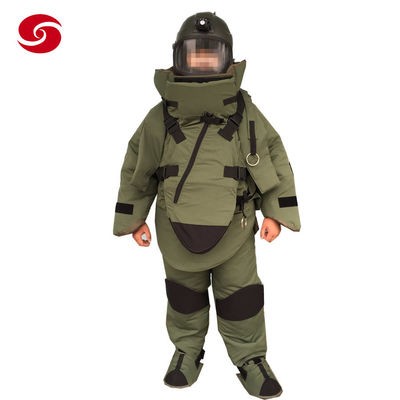
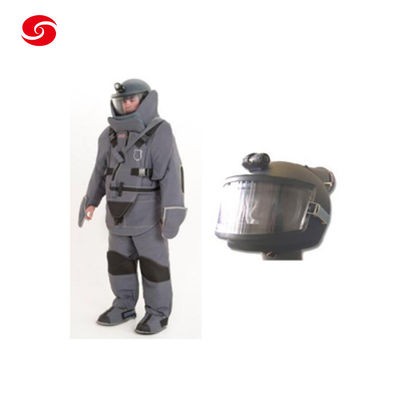
This profession is called "the frontline closest to death," and practitioners risk their lives to protect others. Besides the direct danger of explosions, they also have to endure long-term psychological stress, covert operations, and restricted working environments with poor visibility. They often have to work in an environment with a temperature of about 49°C, wearing 38-40 kilograms of heavy explosion-proof suits, even though the protective suits have armor and cooling systems, they cannot withstand the impact of large explosions. The training standards for this position are extremely strict, with an elimination rate of up to 70% - 85%. It has extremely high requirements for the physical and psychological qualities of the practitioners.
Tags :